
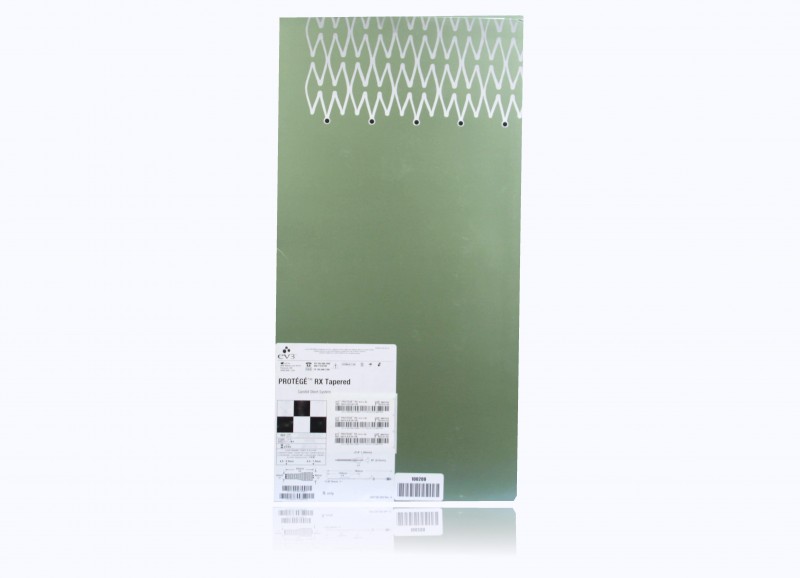
SECX-8-6-40-135
ev3 Protege RX Tapered Carotid Stent 8-6mm x 40mm
$299.00
box of 1
Out of stock
Expiration:
Expired
Express: Need it tomorrow? Order in next 2 hours 8 minutes and choose overnight shipping at checkout.
We currently do not have this item in stock, but we can email you as soon as it is available!
The item listed above is expired and may be used for educational, training, and non-clinical research purposes only. Any product information appearing below, including the product indication statement, pertains to an in-date item only.
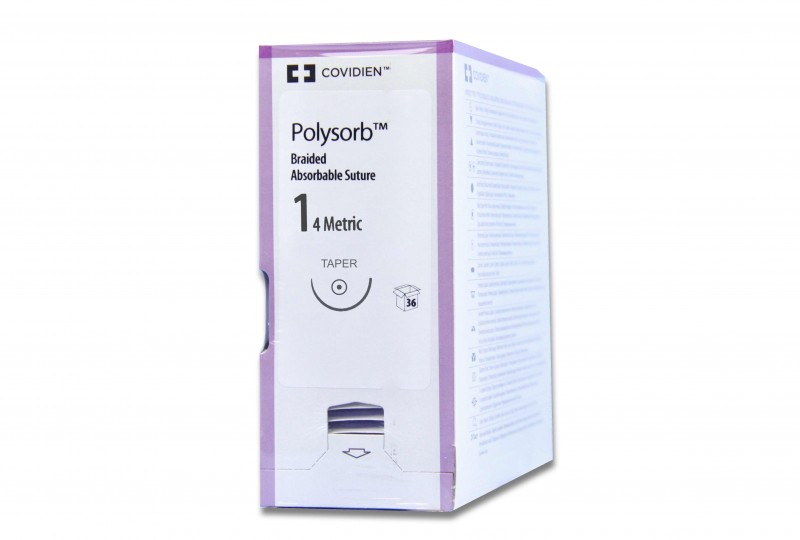
Medtronic Polysorb violet 36" GS-21 taper
$72.00 box of 36
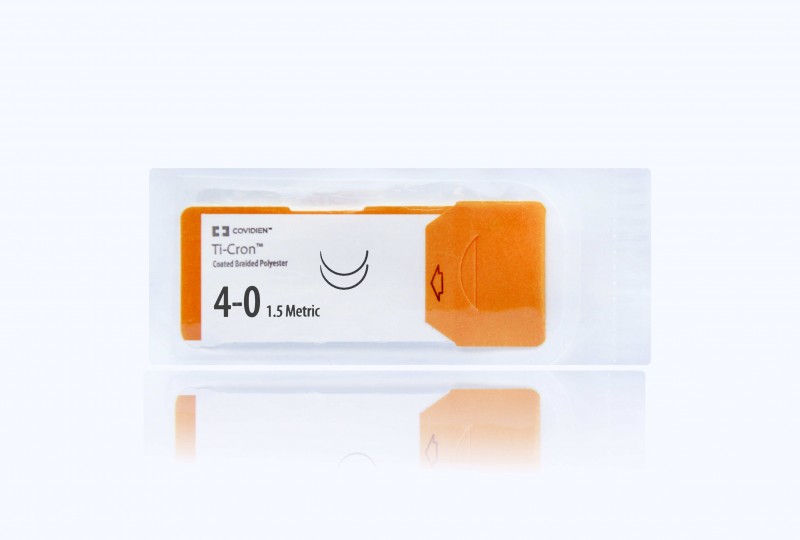
Medtronic TiCron blue 36" CV-331 taper, double armed
$2.00 packets
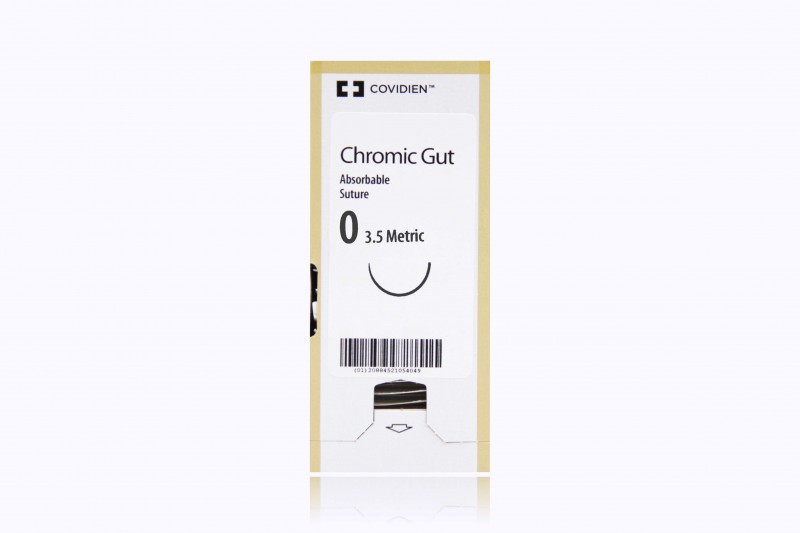
Medtronic Chromic Gut 30" BP-27 blunt point
$13.00 box of 24
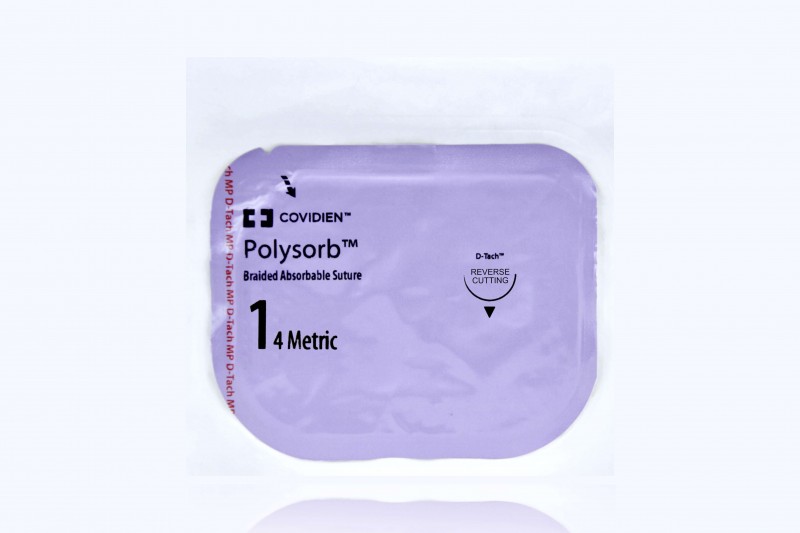
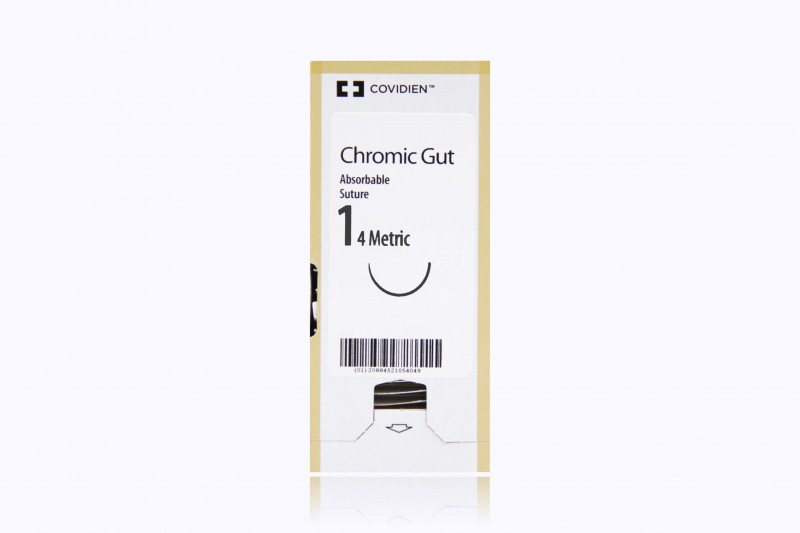
Medtronic Chromic Gut 30" GS-21 taper
$36.00 box of 36
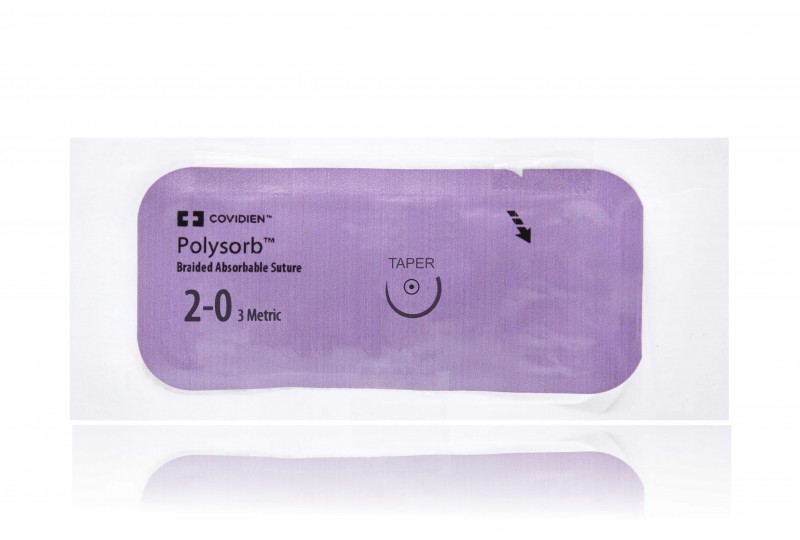
Medtronic Polysorb violet 30" GU-46 taper
$4.00 packets
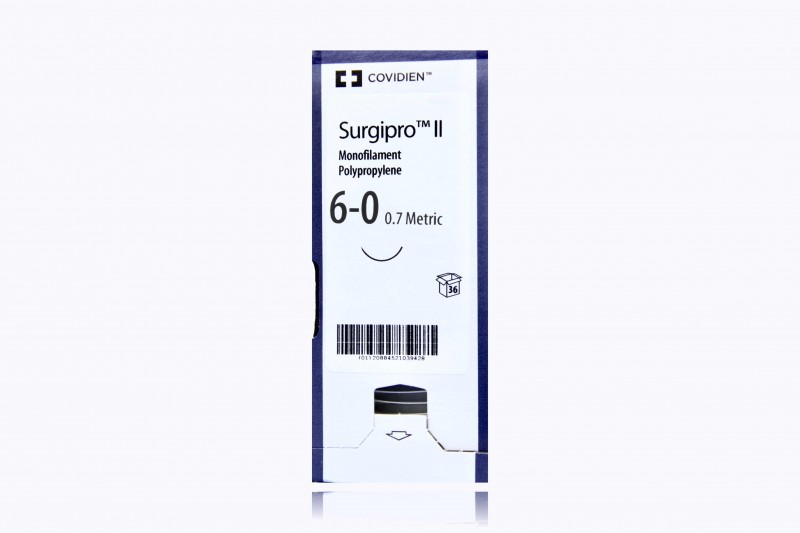
Medtronic Surgipro blue 18" P-10 cutting
$36.00 box of 36
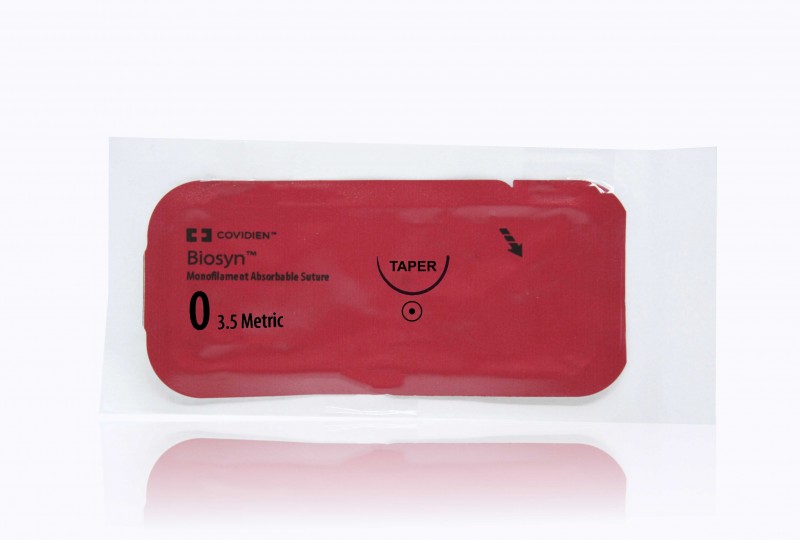
Medtronic Biosyn violet 30" GS-22 taper
$5.50 packets
Description
Medtronic ev3 Protege® RX Carotid Stent System
The Protege® RX Carotid Stent System is a Self-Expanding Nitinol stent system intended for permanent implantation. The stent is designed to hold plaque against the arterial wall, open up the blood vessel, and prevent a stroke from occurring. It is made of a nickel titanium alloy (Nitinol) and comes pre-mounted on a 6F, 0.014” rapid exchange delivery system. The stent is cut from a Nitinol tube in an open lattice design, and is designed with tantalum radiopaque markers at the proximal and distal ends of the stent. Upon deployment, the stent achieves its predetermined diameter and exerts a constant, gentle outward force to establish patency of the vessel.
Predictable Deployment, Visible Results
- Proprietary EX.P.R.T.™ Release Technology essentially eliminates premature deployment or jumping
- No stent shortening
- Unique anatomically designed tapered stent for better fit in the carotid bifurcation
- 0.014" rapid exchange catheter with 6F low crossing profile and flexible atraumatic tip
- Radiopaque marker on catheter clearly indicates tapered location for precise positioning
- 135cm
Additional information
| Size | 8.00mm |
|---|---|
| Arms | N/A |
| Manufacturer | |
| Stent Length | 40mm |
| Unit | box of 1 |
| Usable Length | 135cm |
- FDA Product Code: NIM
- FDA Product Code Name: Stent, Carotid
- GMDN Term Code: 45851
- GMDN Term Name: Bare-metal carotid artery stent
- GMDN Term Description: A non-bioabsorbable tubular device dedicated to implantation in a carotid artery to maintain arterial patency and improve luminal diameter in patients with atherosclerotic disease. It is made of metal [e.g., nickel-titanium alloy (Nitinol)] typically in a tubular mesh structure, and is typically delivered to the site of implantation by a dedicated instrument where it self-expands upon release. It is available in a variety of lengths and diameters and may be used in conjunction with an embolic protection device. Disposable devices associated with implantation may be included.