
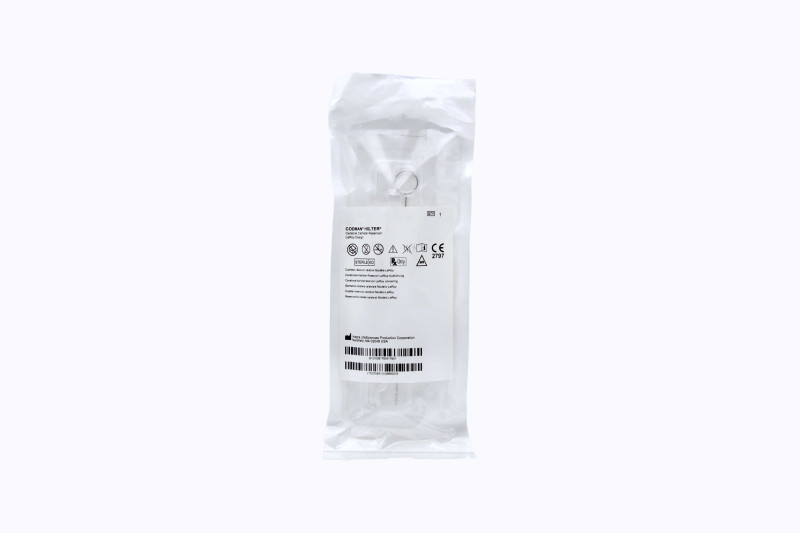
82-1630
Integra Codman Holter Cerebral Catheter Reservoir, Barium, Right Angle, 3 Perforations, 3cm Length
$49.00
box of 1
Out of stock
Expiration:
Expired
Express: Need it tomorrow? Order in next 2 hours 8 minutes and choose overnight shipping at checkout.
We currently do not have this item in stock, but we can email you as soon as it is available!
The item listed above is expired and may be used for educational, training, and non-clinical research purposes only. Any product information appearing below, including the product indication statement, pertains to an in-date item only.
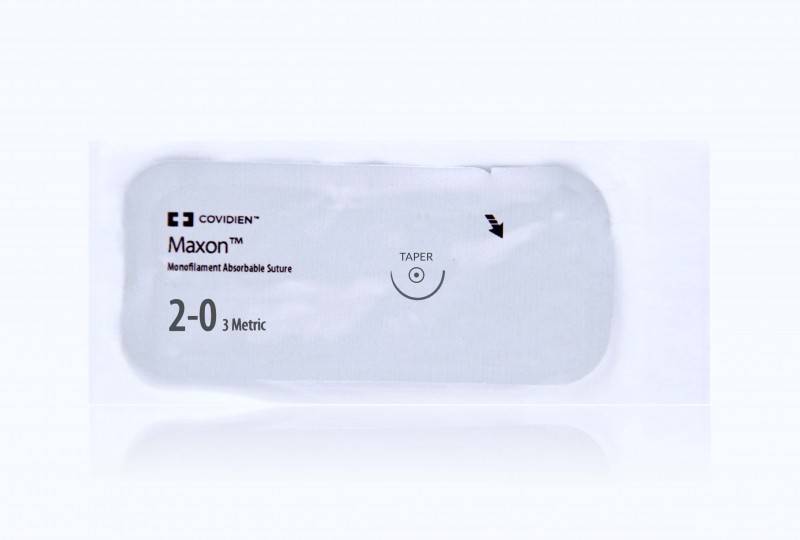
Medtronic Maxon Suture green 30" GS-21 (CT-1) Taper
$2.00 packets
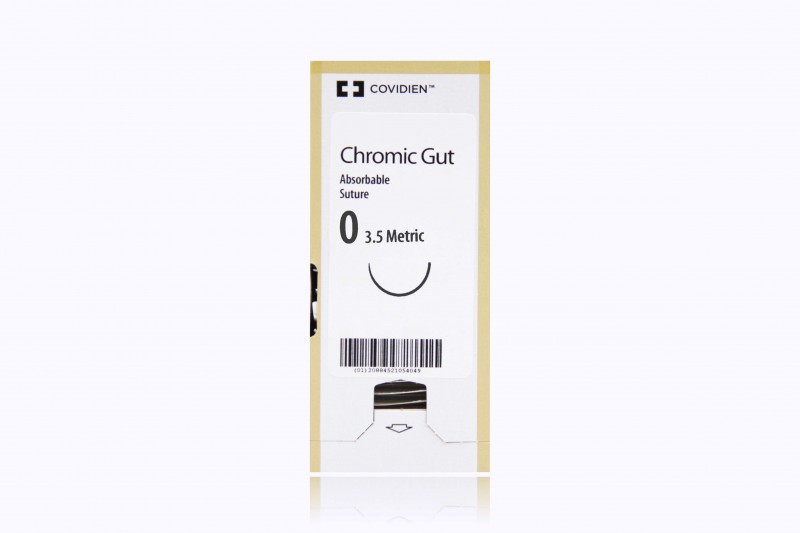
Medtronic Chromic Gut 30" BP-27 blunt point
$13.00 box of 24
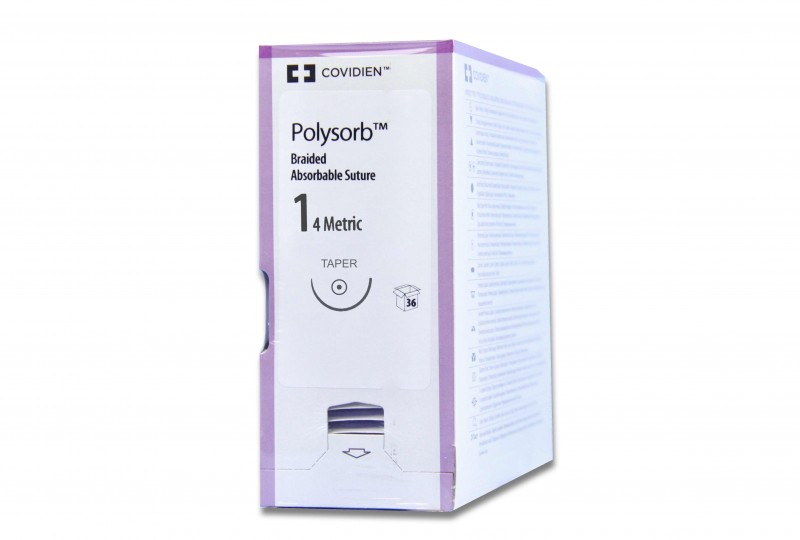
Medtronic Polysorb violet 36" GS-21 taper
$72.00 box of 36
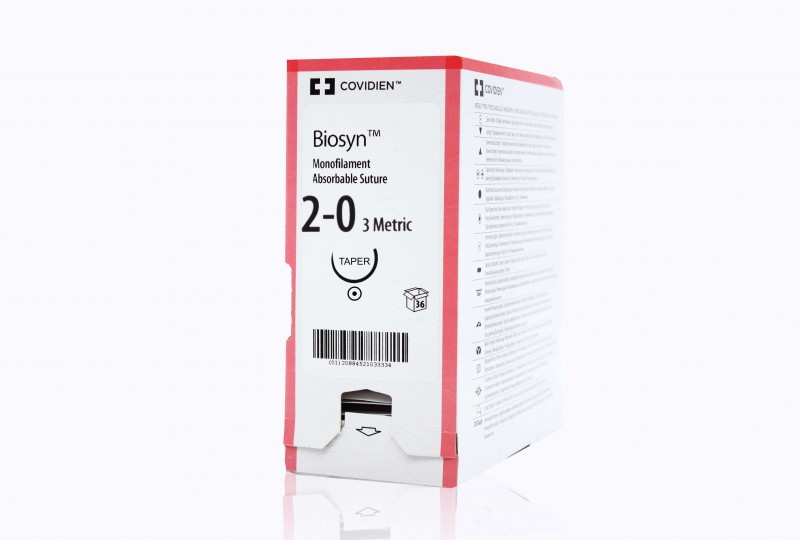
Medtronic Biosyn undyed 30" GU-46 taper
$36.00 box of 36
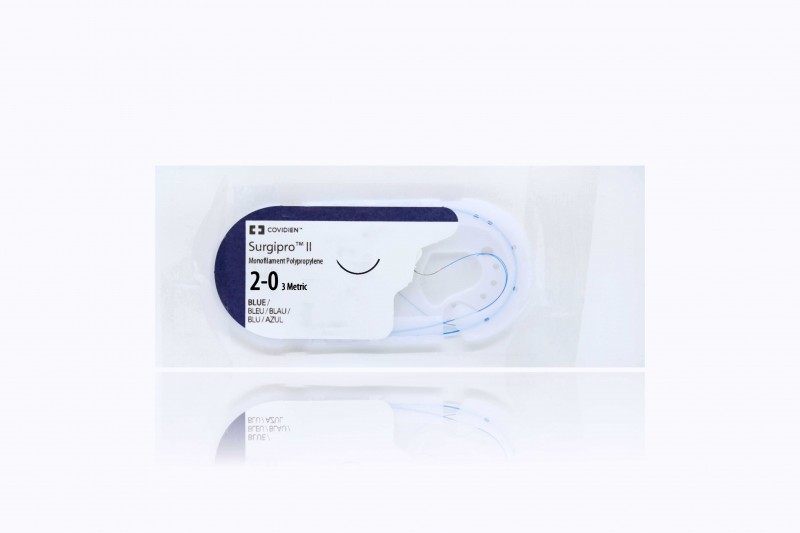

Vicryl violet 27" CP-1 cutting
$4.20 packets
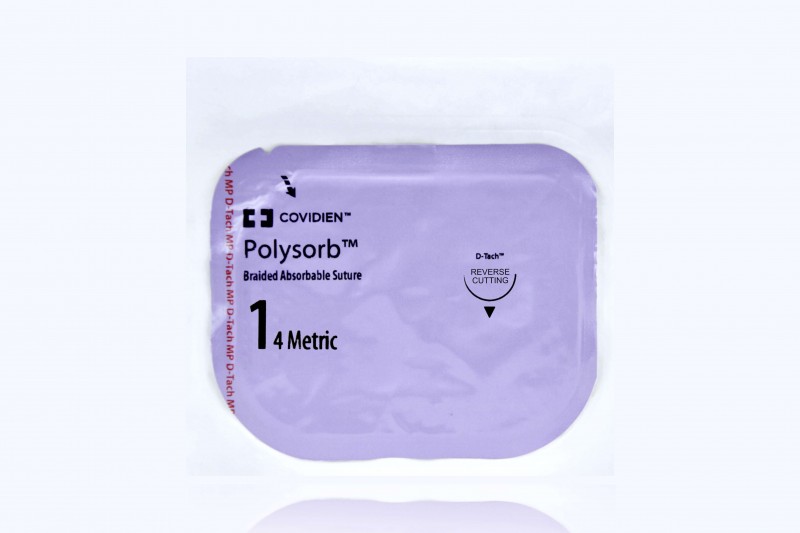
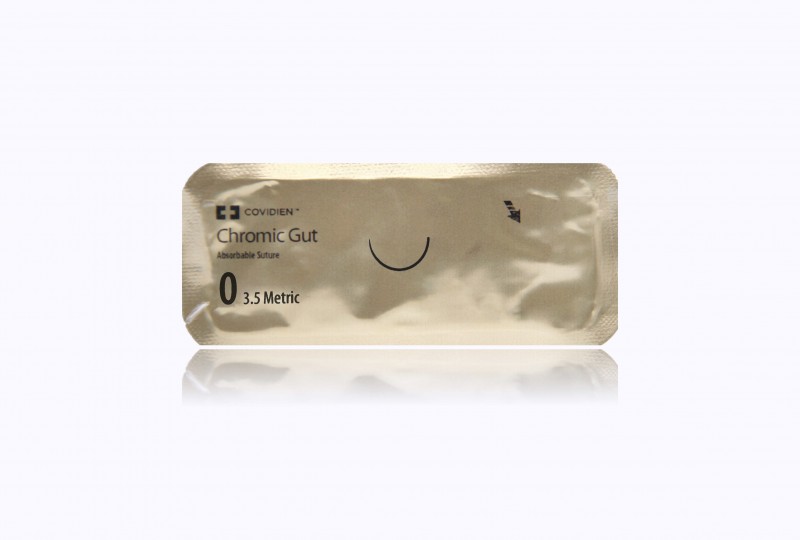
Medtronic Chromic Gut 36" GS-21 taper
$1.00 packets
Description
Integra Lifesciences Codman Holter Ventricular Cerebral Catheter Reservoir LeRoy Design
Holter Ventricular Catheter Reservoirs, barium, right angle, sterile (also referred to as Cerebral Catheter Reservoirs). The Ventricular Catheter Reservoir is an all-silicone rubber reservoir and right angle catheter molded together as one unit, X-ray detectable. The dome-shaped reservoir has a base made of reinforced sheeting, coated with silicone rubber. The reservoir has a height of 6.0mm, and the base, which extends beyond the diameter of the reservoir to accommodate sutures, has a diameter of 15.7mm. The catheter segment and distal end of the catheter reservoir has a 1.5mm ID and a 3.1mm OD. The distal end of the catheter reservoir is designed to accommodate the inlet adaptor of a Holter Valve when the reservoir is used in a shunt system.
Included with the Holter Ventricular Catheter Reservoir are: a stainless steel stylet for insertion of the ventricular portion of the catheter, and a stainless steel plug inserted in the distal end of the reservoir.
Additional information
| Size | 1 |
|---|---|
| Arms | N/A |
| Manufacturer | |
| Unit | box of 1 |
- FDA Product Code: JXG
- FDA Product Code Name: Shunt, Central Nervous System And Components
- GMDN Term Code: 61375
- GMDN Term Name: Cranial port/reservoir
- GMDN Term Description: A sterile, implantable chamber intended to be connected to an intracerebral catheter for infusion/injection of materials (e.g., chemotherapeutic agents, radioisotopes) into the brain (e.g., cerebral ventricles, cystic tumours, tumour cavities); it may also be used for drainage of cerebrospinal fluid (CSF) from the ventricles and as part of a ventriculo-peritoneal/atrial shunt system. The device is implanted subcutaneously and materials infused/injected with a needle via hypodermic puncture flow into the target site through the connected catheter. It is typically a bulb-shaped device made of plastic material (e.g., polypropylene, silicone). This is a single-use device.