
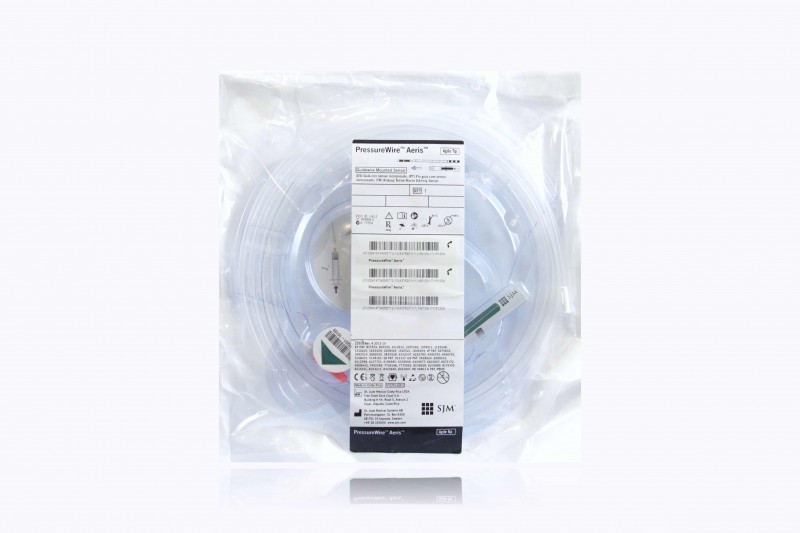
C12358
SJM PressureWire Aeris 0.014″ x 300cm
Original price was: $164.00.$41.00Current price is: $41.00.
box of 1
Out of stock
Expiration:
Expired
Express: Need it tomorrow? Order in next 2 hours 8 minutes and choose overnight shipping at checkout.
We currently do not have this item in stock, but we can email you as soon as it is available!
The item listed above is expired and may be used for educational, training, and non-clinical research purposes only. Any product information appearing below, including the product indication statement, pertains to an in-date item only.
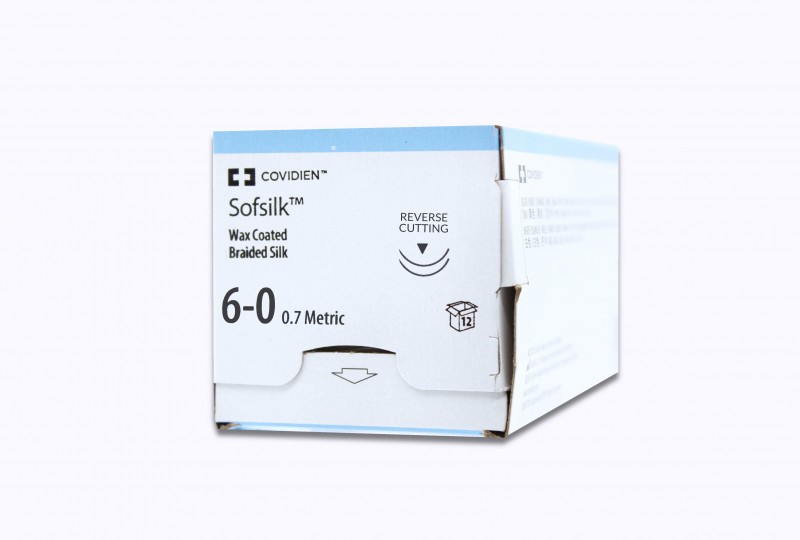
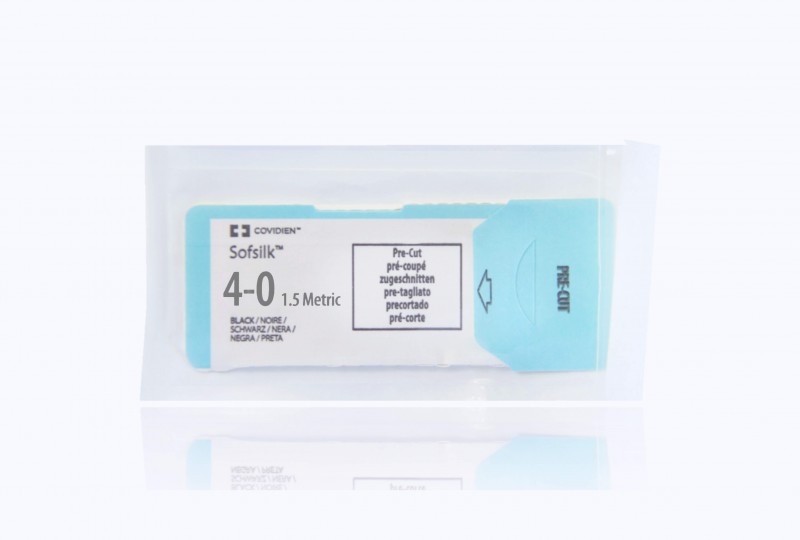
Medtronic Sofsilk black 18" HE-1 cutting, double armed
$60.00 box of 12
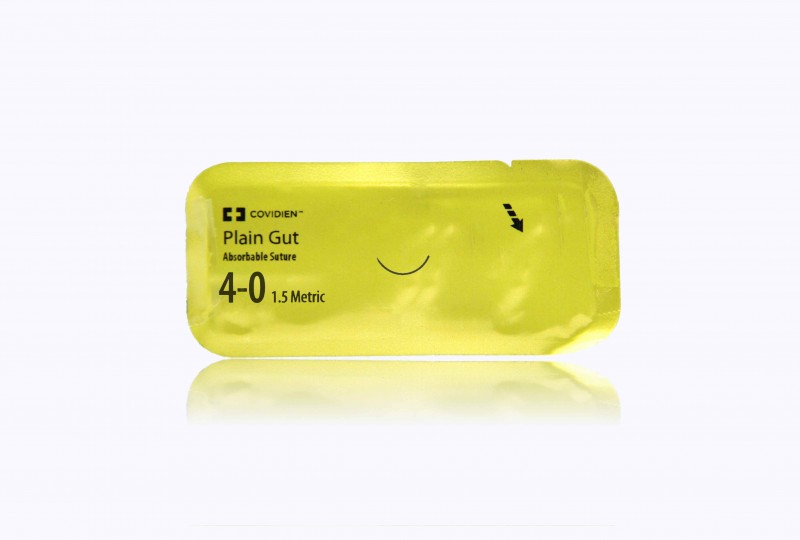
Medtronic Plain Gut 30" C-13 cutting
$1.00 packets
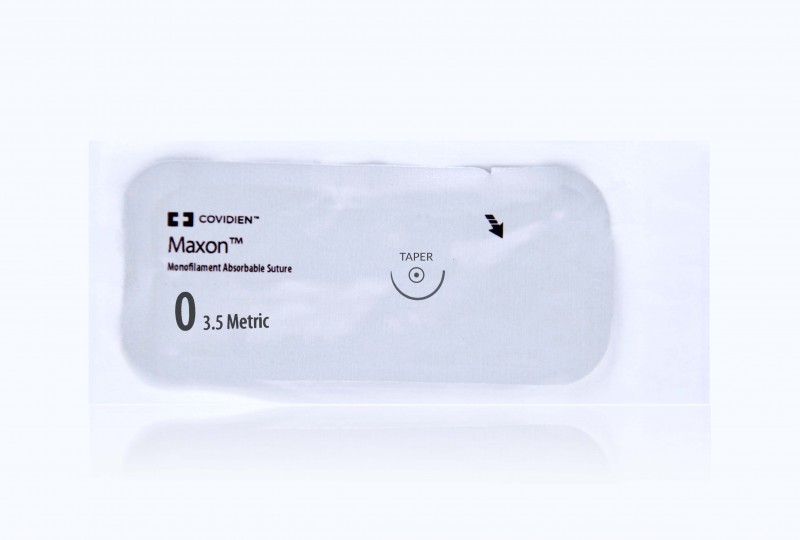
Medtronic Maxon green 27" GS-25 taper
$2.25 packets
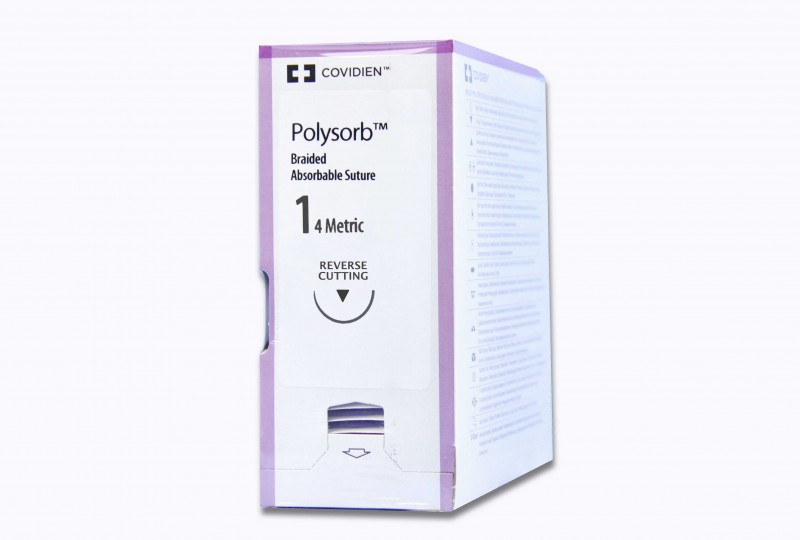
Medtronic Polysorb undyed 30" GS-11 Heavy Body Reverse Cutting
$149.00 box of 36
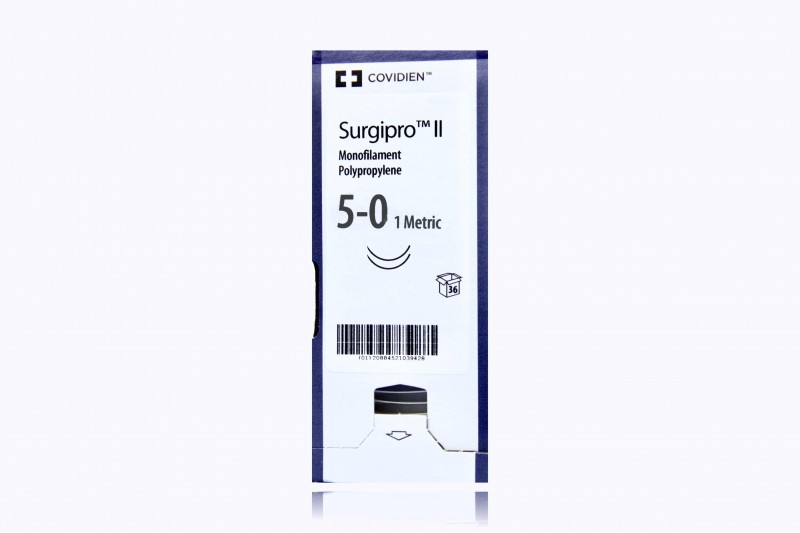
Medtronic Surgipro blue 36" CV-11 taper, double armed
$249.00 box of 36
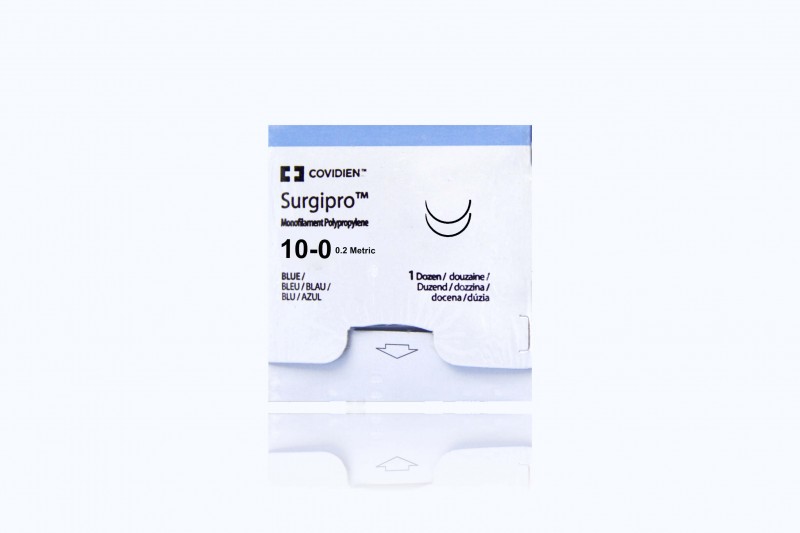
Medtronic Surgipro blue 12" SE-160-6 Spatula, Reverse, Double Armed
$175.00 box of 12
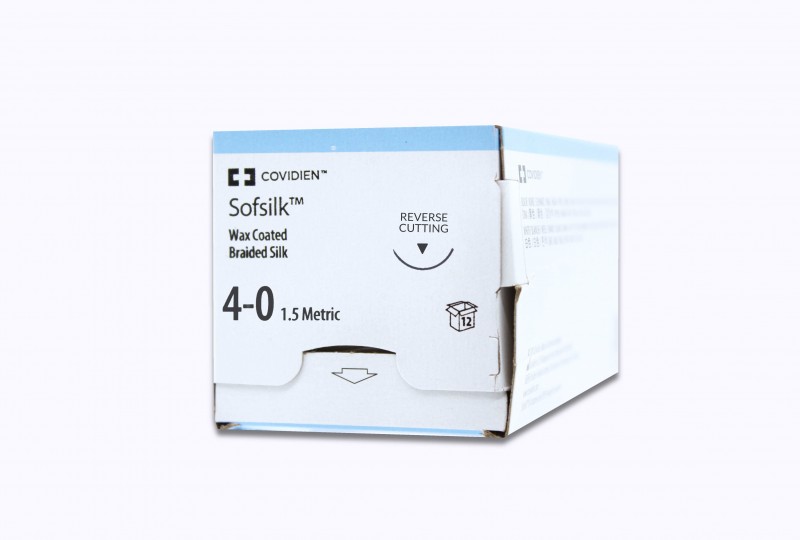
Medtronic Sofsilk black 18" P-13 cutting
$89.00 box of 12
Additional information
| Size | 0.014" |
|---|---|
| Length | 300cm |
| Arms | N/A |
| Manufacturer | |
| Tip Shape | Straight |
| Unit | box of 1 |
- FDA Product Code: DQX DRG DXO
- FDA Product Code Name: Wire, Guide, Catheter / Transmitters And Receivers, Physiological Signal, Radiofrequency / TRANSDUCER, PRESSURE, CATHETER TIP
- GMDN Term Code: 15071 35094
- GMDN Term Name: Catheter-tip transducer, pressure / Cardiac/peripheral vascular guidewire, single-use
- GMDN Term Description: A device intended to be incorporated into the distal end of a catheter (not included) to measure pressure. It typically consists of a pressure sensor (e.g., a flexible membrane or diaphragm) and a means to convert the detected pressure into electronic signals or possibly ultrasonic signals which are transmitted via a cable or wireless to an external parent device (e.g., a manometer) that processes the signals and displays the results. It is used for invasive measurement of pressure in places such as the central and/or peripheral vasculature, cranium, uterus (typically during labour), pleura, and also in the urinary bladder/urethra (e.g., during urodynamic tests). This is a single-use device. / A long, thin, sterile wire intended to be percutaneously placed into the cardiac vasculature (ventricles or coronary vessels) to function as a guide for the introduction, positioning, and/or operation of a device (e.g., catheter, pacing lead); it may also be used in the peripheral vasculature. It may be made of metal (e