
MAS1859
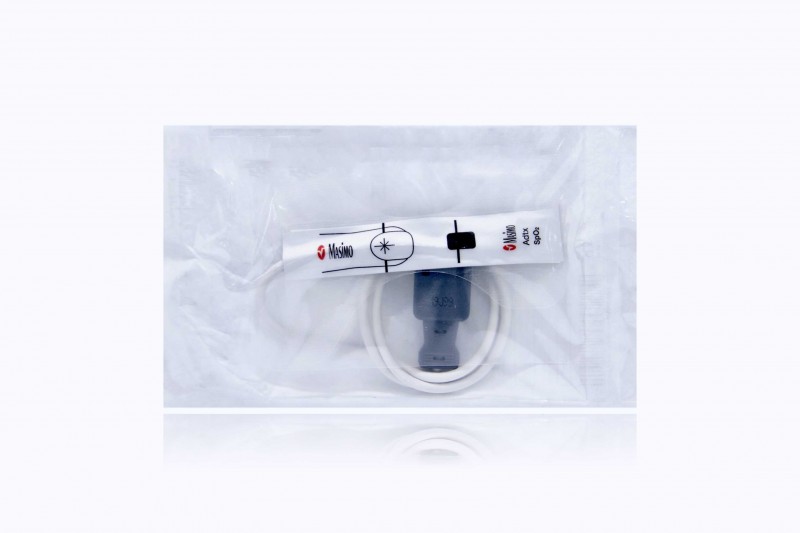
Masimo LNCS Adtx Adult SpO2 Pulse Oximeter Adhesive Sensors, 18″ Cord Length
$399.00
box of 20
In Stock: 8 Eaches
Expiration:
In-Date
Express: Need it tomorrow? Order in next 2 hours 8 minutes and choose overnight shipping at checkout.
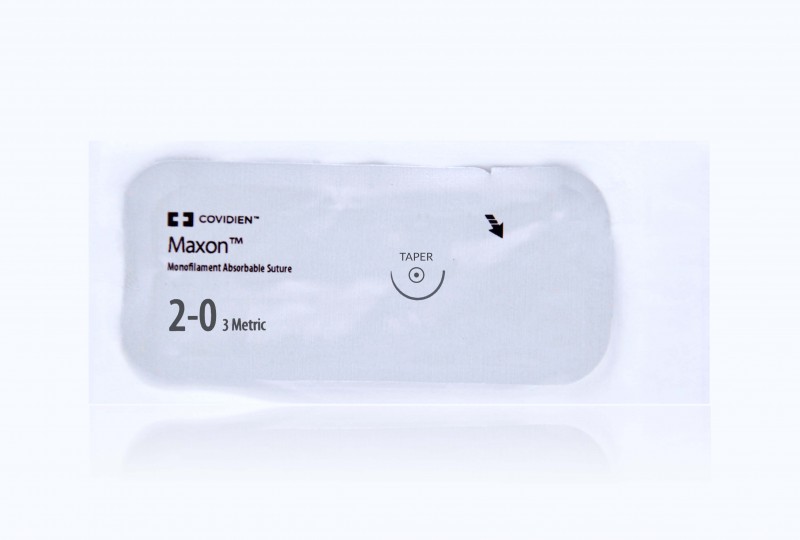
Medtronic Maxon Suture green 30" GS-21 (CT-1) Taper
$5.00 packets
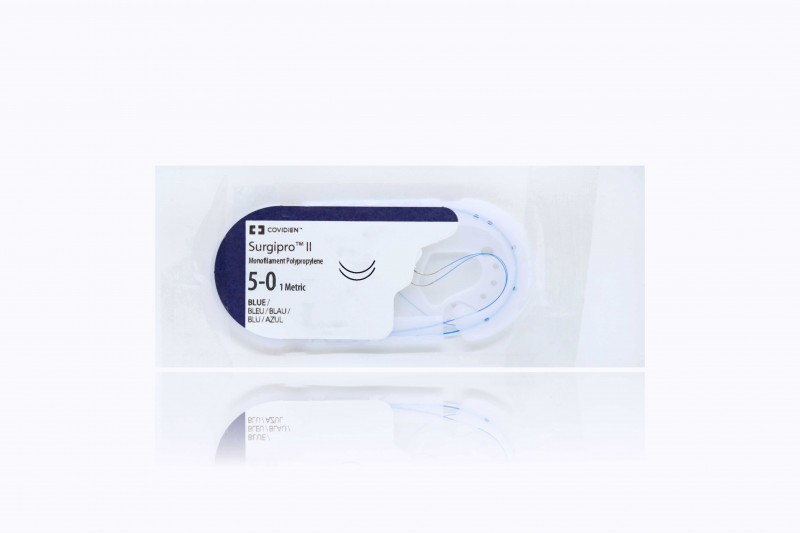
Medtronic Surgipro blue 24" CV-11 taper, double armed
$10.00 packets
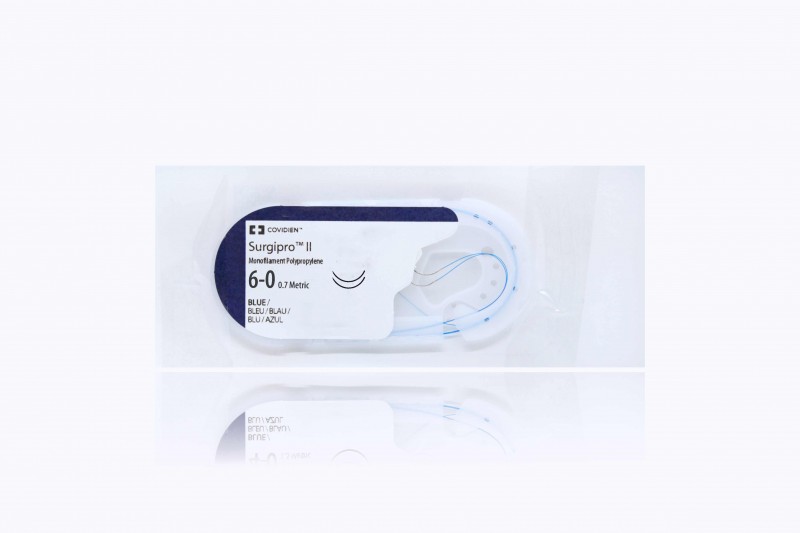
Medtronic Surgipro blue 24" CV-11 taper, double armed
$5.00 packets
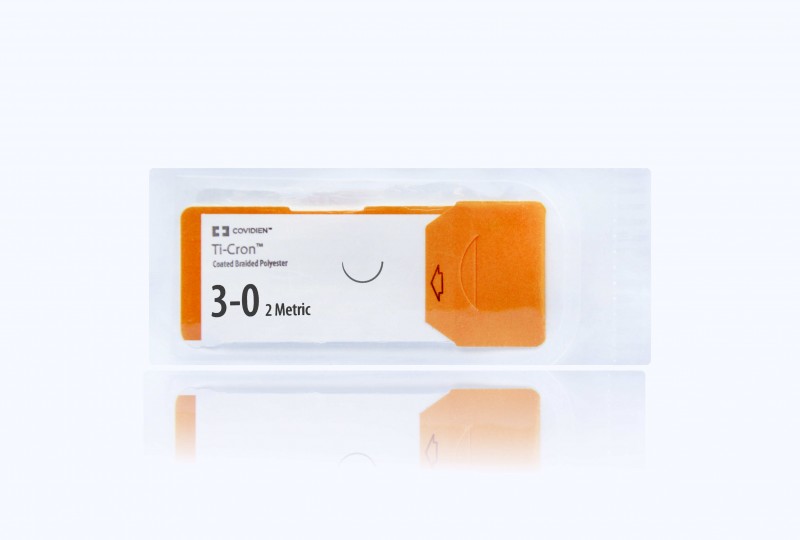
Medtronic TiCron blue 18" P-22 cutting
$2.25 packets
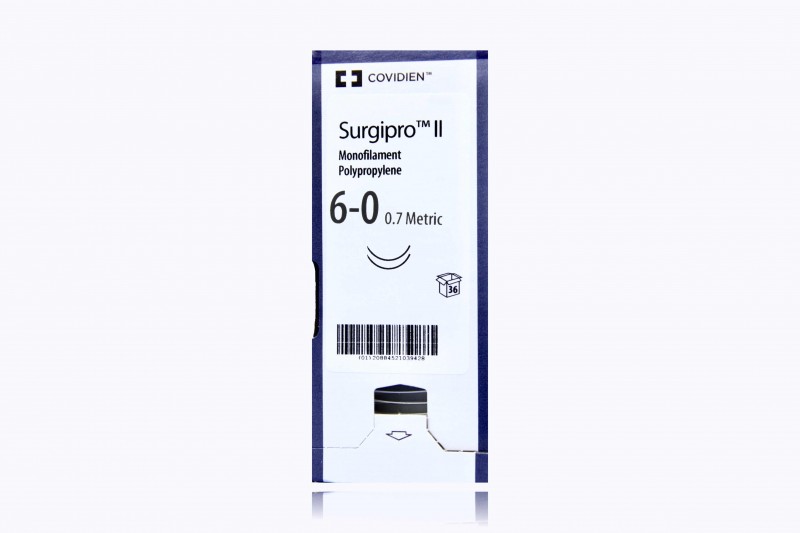
Medtronic Surgipro blue 36" Cardiopint CV-1 (BV-1) Taper, Double Armed
$999.00 box of 36
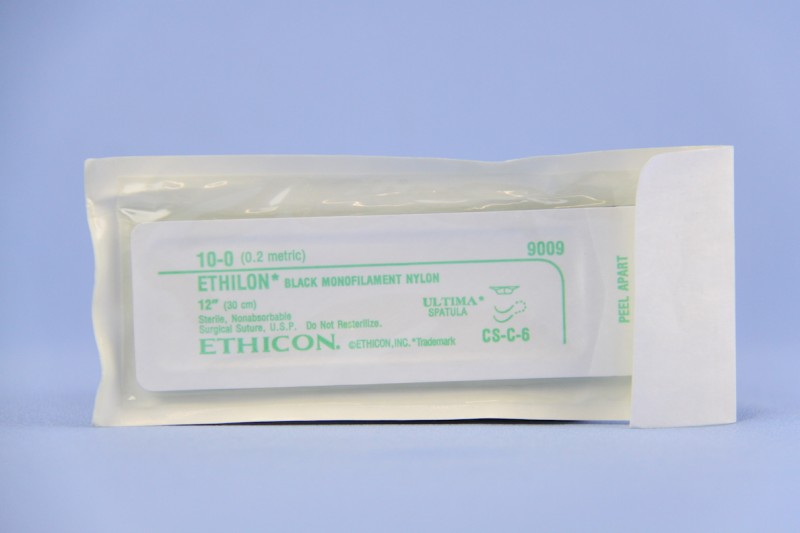
Ethilon 12" CSC-6 spatula, double armed
$30.00 packets

Ethilon black 5" V75-3 tapercutting
$330.00 box of 12
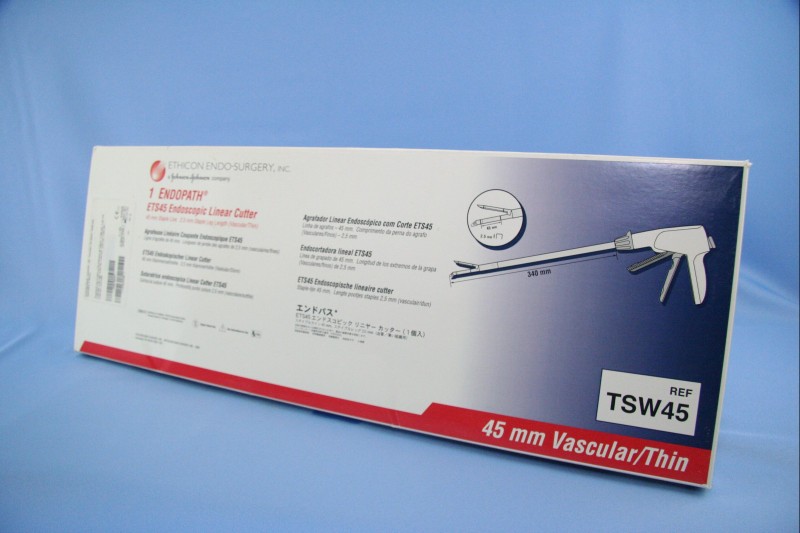
Ethicon ETS 45mm Endoscopic Linear Cutter, White
$274.00 box of 1
Description
Masimo 1859 LNCS Adtx SpO2 Adhesive Sensors
LNCS, or Low Noise Cabled Sensors, are available in a wide variety of designs to serve the needs of many types of patients. LNCS sensors are intended for hospitals that prefer to minimize clinician-user-interface change when upgrading their pulse oximetry to Masimo SET® and do not anticipate adopting rainbow® technology. LNCS sensors are cabled with a DB9 connector, compatible with LNC patient cables, which enables use with Masimo SET® pulse oximeters and Nellcor sensor-compatible instruments without OxiMax®.
Additional patient cables are available to connect LNCS sensors to a variety of pulse oximeters and multi-parameter monitors equipped with Masimo SET®. Adapter cables are also available for monitors with conventional Nellcor technology, allowing standardization on sensors throughout a facility with a mixed inventory of pulse oximeters.
LNCS sensors provide excellent SpO2 performance while facilitating patient comfort with a connector positioned away from the sensor application site. Specialty LNCS sensors with built-in intelligence are available for patients with limited or no access to digits or patients with extremely low perfusion.
Product Code: 1859
- Cord Length: 18"
- Adult Size
- Single-Use, Disposable
- Packaged Sterile
Additional information
| Size | 1 |
|---|---|
| Arms | N/A |
| Manufacturer | |
| Unit | box of 20 |
- FDA Product Code: DQA
- FDA Product Code Name: Oximeter / Cranial Motion Measurement Device
- GMDN Term Code: 31658
- GMDN Term Name: Pulse oximeter probe, single-use
- GMDN Term Description: A photoelectric device designed to be applied externally to a body site (e.g., fingertip, ear lobe, bridge of nose, toe, or bridge of the foot) for the transcutaneous measurement of haemoglobin oxygen saturation (SpO2) in arterial blood using signals produced by a light-emitting diode (LED) and received by a photodetector. The signals are subsequently transmitted to an oximeter/monitor (not included) which measures and displays the SpO2. The is a single-use device.