
1011836
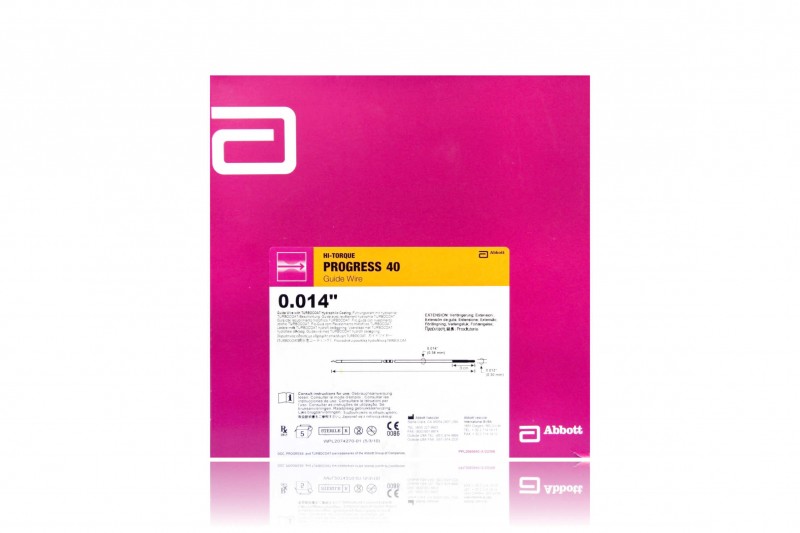
Abbott Hi-Torque Progress 40 Guide Wire: 0.014″ x 190cm
$199.00
box of 5
Out of stock
Expiration:
Expired
Express: Need it tomorrow? Order in next 2 hours 8 minutes and choose overnight shipping at checkout.
We currently do not have this item in stock, but we can email you as soon as it is available!
The item listed above is expired and may be used for educational, training, and non-clinical research purposes only. Any product information appearing below, including the product indication statement, pertains to an in-date item only.
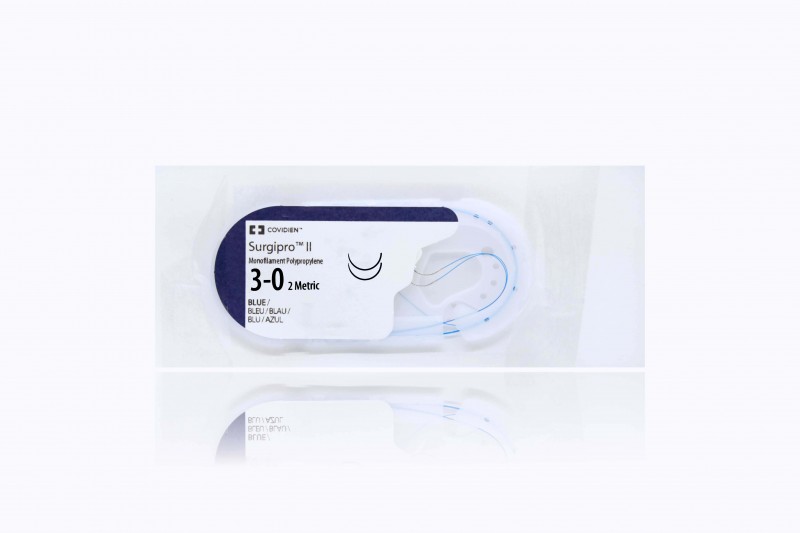

Medtronic Surgidac green 30" GS-21 taper
$1.00 packets
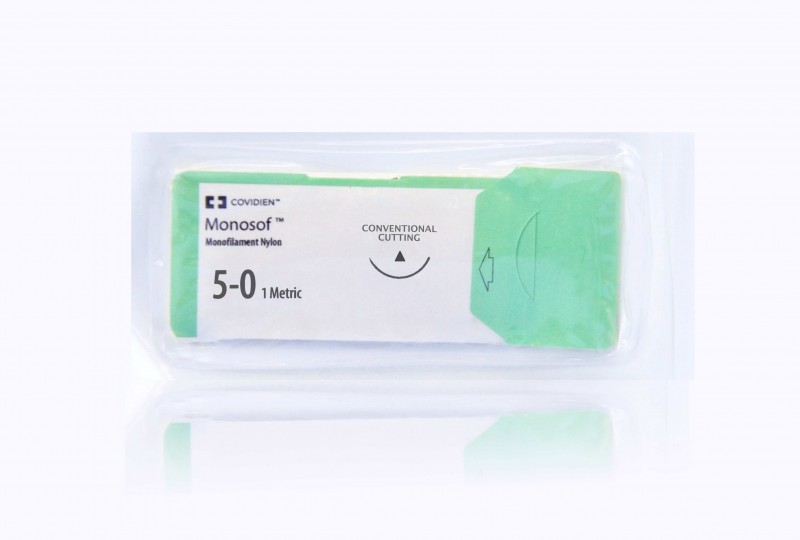
Medtronic Monosof black 18" PC-13 conventional cutting
$7.35 packets
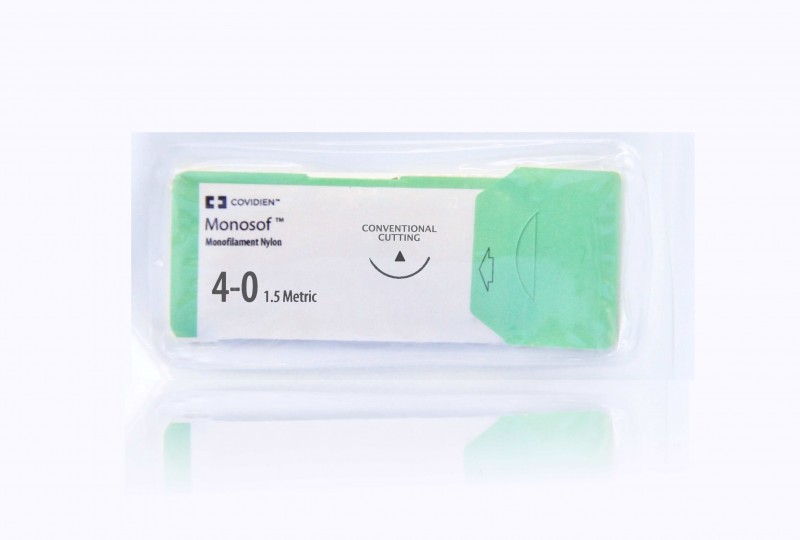
Medtronic Monosof black 18" PC-12 Conventional Cutting
$1.00 packets
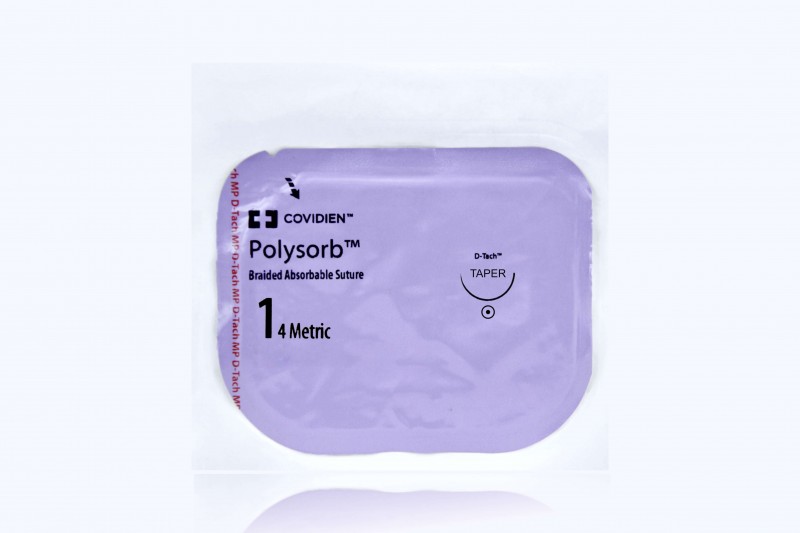

XXXXX
$1.05 packets
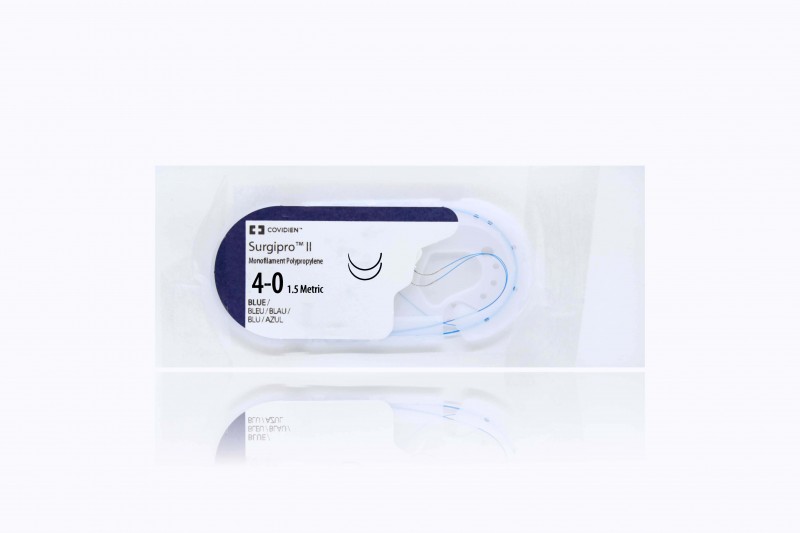
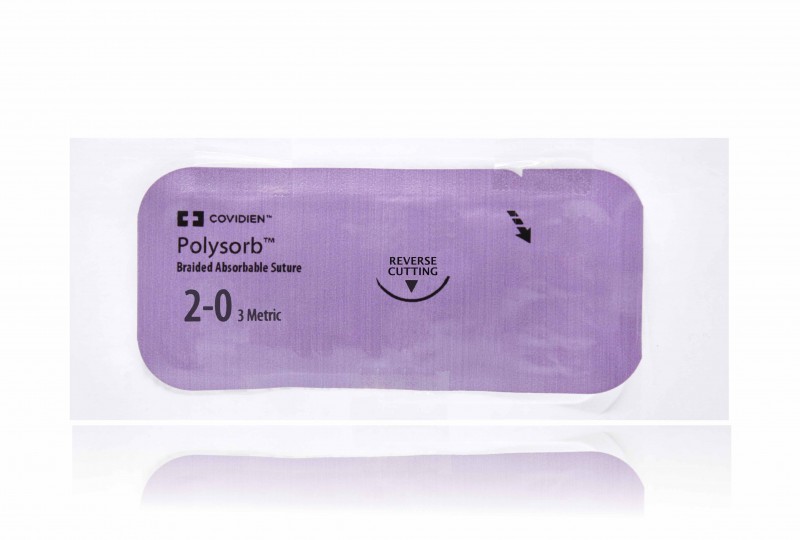
Medtronic Polysorb undyed 30" C-16 cutting
$2.50 packets
Description
Abbott Hi-Torque Progress 40 Guide Wire
The HI-TORQUE PROGRESS is a five-wire family designed for crossing Chronic Total Occlusions. The HI-TORQUE PROGRESS has a superb balance of lubricity and tactile feel, due to the exposed tip coils and intermediate polymer jacket. The PROGRESS design is similar to the HI-TORQUE PILOT design, but with a more supportive body and higher tip loads to tackle your most challenging cases.
Coronary Guide Wire
- Tip Load: 4.8g
- Radiopaque Length: 3 cm
- Outside Diameter: 0.014"
- Tip Outside Diameter: 0.012"
- Coating: Hydrophilic
- Tip Style: Core to tip
- Polymer Cover: Intermediate Polymer Sleeve
- Core Material: DURASTEEL
Additional information
| Size | 0.014" |
|---|---|
| Length | 190cm |
| Arms | N/A |
| Manufacturer | |
| Tip Shape | Straight |
| Unit | box of 5 |
- FDA Product Code: DQX
- FDA Product Code Name: Wire, Guide, Catheter
- GMDN Term Code: 35094
- GMDN Term Name: Cardiac/peripheral vascular guidewire, single-use
- GMDN Term Description: A long, thin, sterile wire intended to be percutaneously placed into the cardiac vasculature (ventricles or coronary vessels) to function as a guide for the introduction, positioning, and/or operation of a device (e.g., catheter, pacing lead); it may also be used in the peripheral vasculature. It may be made of metal (e.g., stainless steel, Nitinol), or polymer and/or glass materials to provide MRI-compatibility, with or without coating, and is available in a variety of distal tip designs. It is used for various diagnostic and interventional procedures, and may include devices used to facilitate manipulation (e.g., torque device). This is a single-use device.