
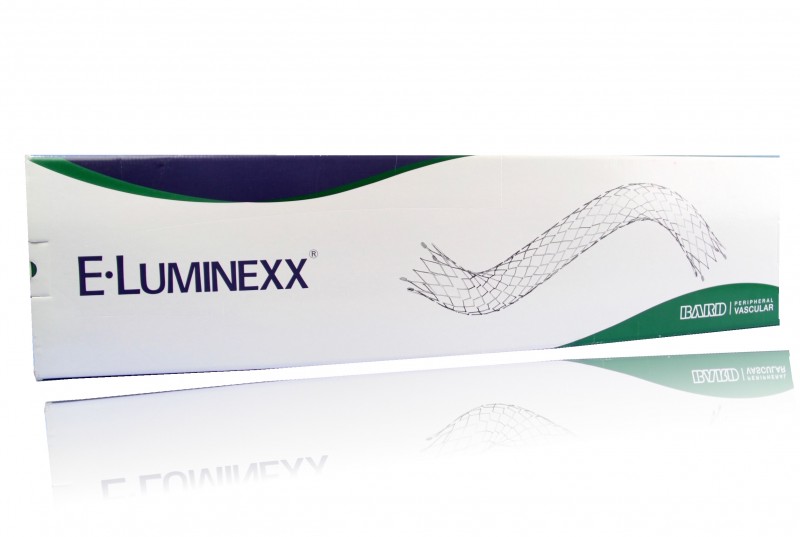
ZBM07060
Bard E•Luminexx Vascular and Biliary Stent 7mm x 60mm x 80cm
$199.00
box of 1
In Stock: 2 Eaches
Expiration:
Expired
Express: Need it tomorrow? Order in next 2 hours 8 minutes and choose overnight shipping at checkout.
The item listed above is expired and may be used for educational, training, and non-clinical research purposes only. Any product information appearing below, including the product indication statement, pertains to an in-date item only.
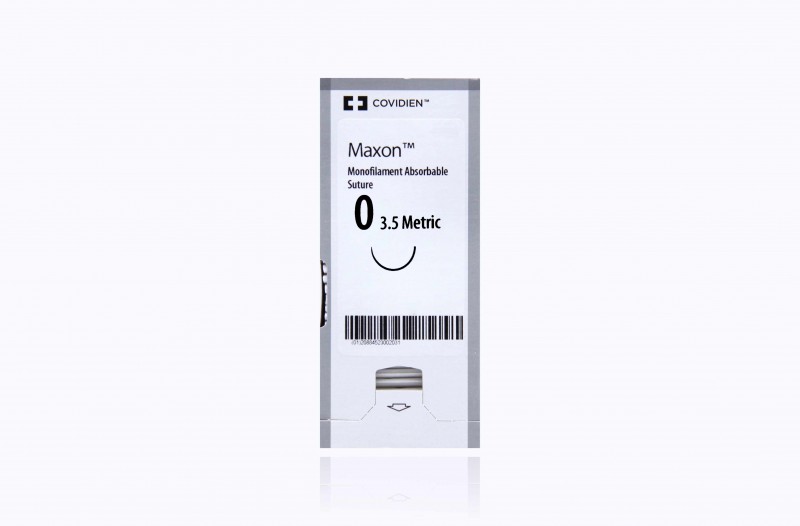
Medtronic Maxon green 36" GS-25 taper
$199.00 box of 36
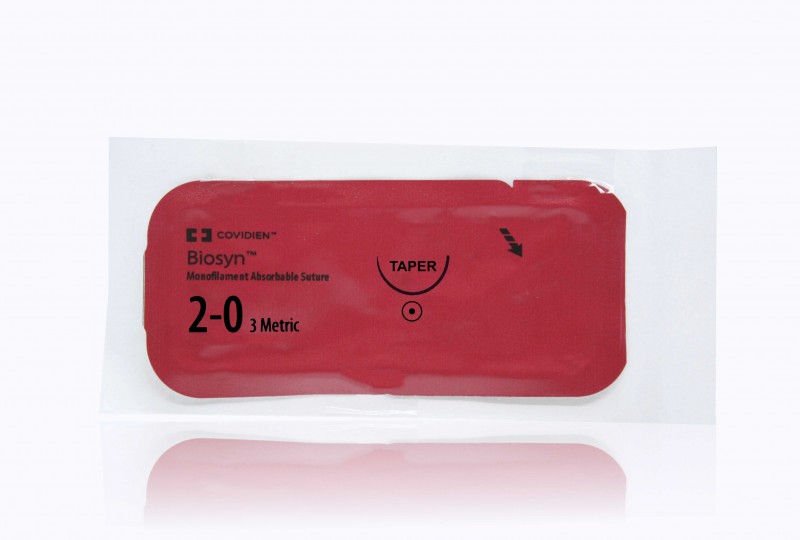
Medtronic Biosyn violet 30" GS-21 taper
$5.00 packets
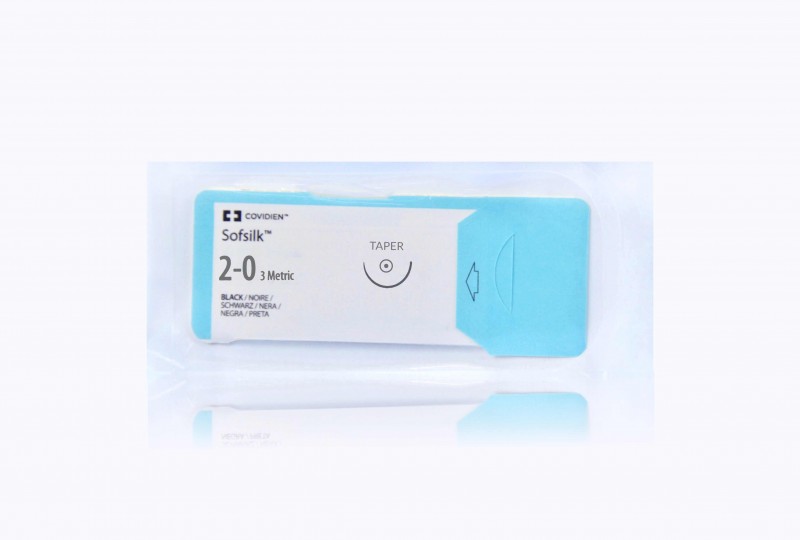
Medtronic Sofsilk black 30" V-20 taper
$4.00 packets
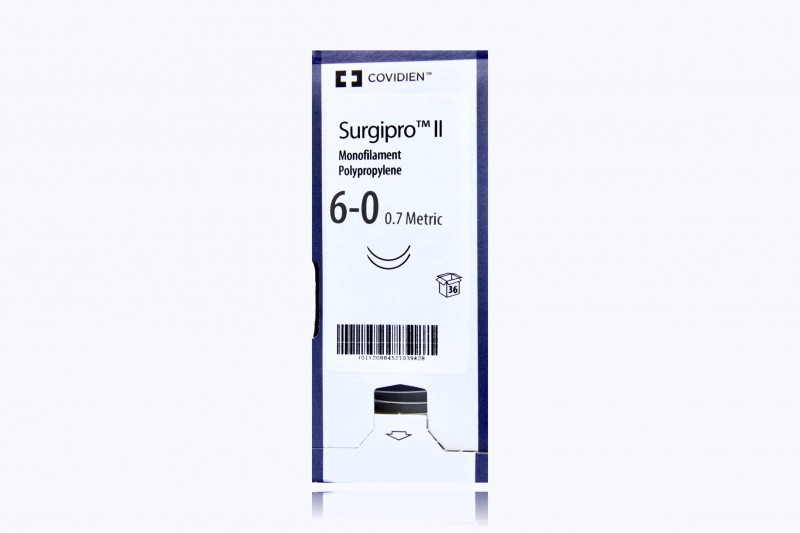
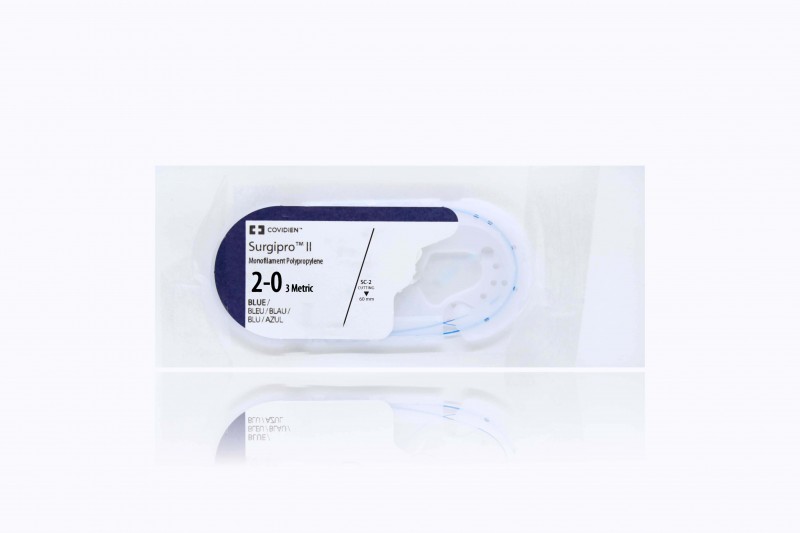
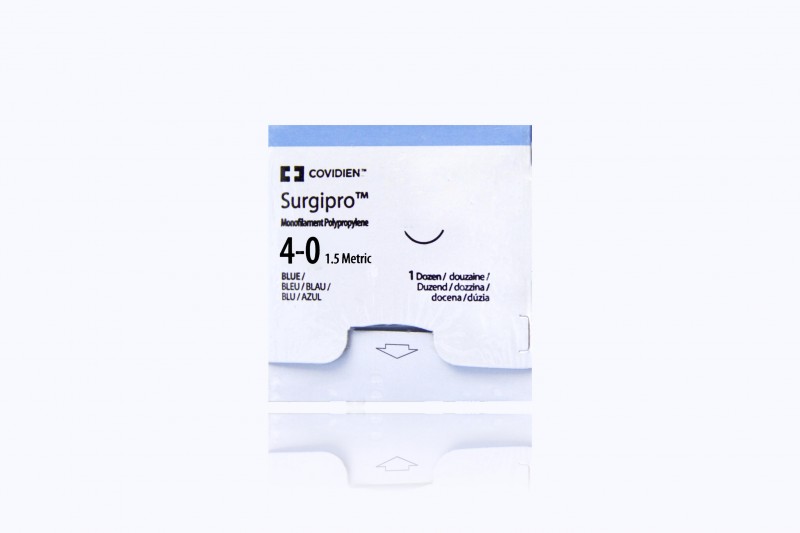
Medtronic Surgipro blue 30" CV-11 taper, double armed
$249.00 box of 36
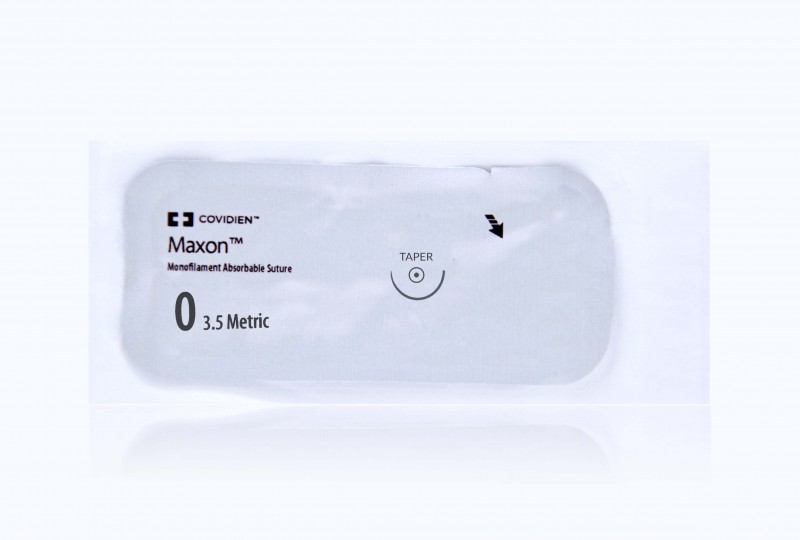
Medtronic Maxon Suture green 30" GS-22 (CT-2) Taper
$4.00 packets
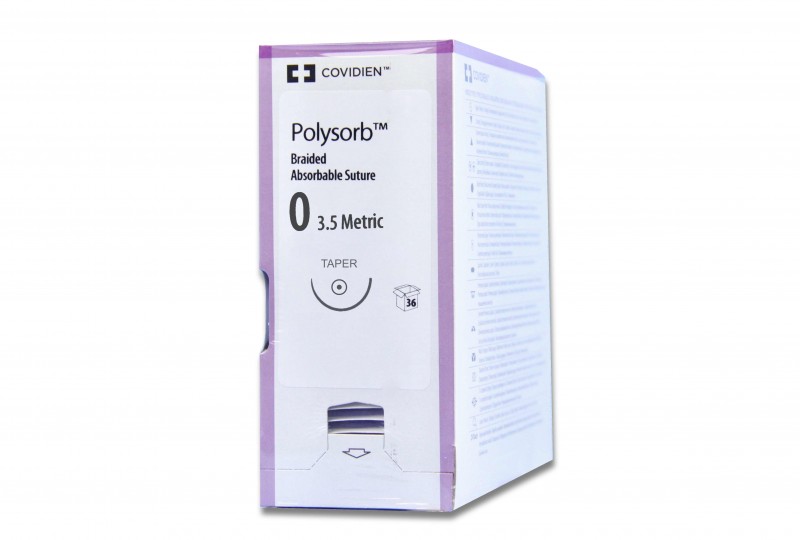
Medtronic Polysorb violet 36" GS-21 taper (CLS924)
$149.00 box of 36
Description
E•Luminexx Vascular and Biliary Stent
- Designed for exceptional visibility under fluoroscopy, which significantly enhances stent placement accuracy.
- The proprietary interlocking Puzzle® Tantalum marker assures permanent attachment.
- Dimensional design changes facilitate harmonization of radial force across the range of product diameters.
- Open cell, flexible mesh design with minimal length change during deployment.
- 2mm flared stent ends designed to resist migration and compensate for lumen tapering.
- Catheter Diameter: 6F
- Guidewire: 0.035"
Additional information
| Size | 7.00mm |
|---|---|
| Arms | N/A |
| Manufacturer | |
| Stent Length | 60mm |
| Unit | box of 1 |
| Usable Length | 80cm |
- FDA Product Code: FGE NIO
- FDA Product Code Name: Catheter, Biliary, Diagnostic / Stents, Drains And Dilators For The Biliary Ducts / STENT, ILIAC
- GMDN Term Code: 43691 47932
- GMDN Term Name: Bare-metal biliary stent / Peripheral artery stent, bare-metal
- GMDN Term Description: A non-bioabsorbable tubular device intended to be implanted in an obstructed biliary duct (e.g., common bile duct) to maintain luminal patency; it is not intended for vascular implantation. It may be a mesh structure or a continuous tube and is made entirely of metal [e.g., high-grade stainless steel, cobalt-chrome (Co-Cr), nickel-titanium alloy (Nitinol)]. It may be expandable in situ (e.g., with a balloon catheter or self-expands) and disposable devices intended to assist implantation may be included. / A non-bioabsorbable tubular device intended to be implanted in a peripheral artery (excludes aorta, coronary, pulmonary, and intracranial arteries) to indefinitely maintain patency and improve luminal diameter in patients with atherosclerotic disease, or following the recanalization of a total occlusion. It may additionally be intended to be implanted in an obstructed biliary duct; it is not dedicated to carotid artery implantation, and not intended for connection with an aortic stent. It is made entirely of