
G18524
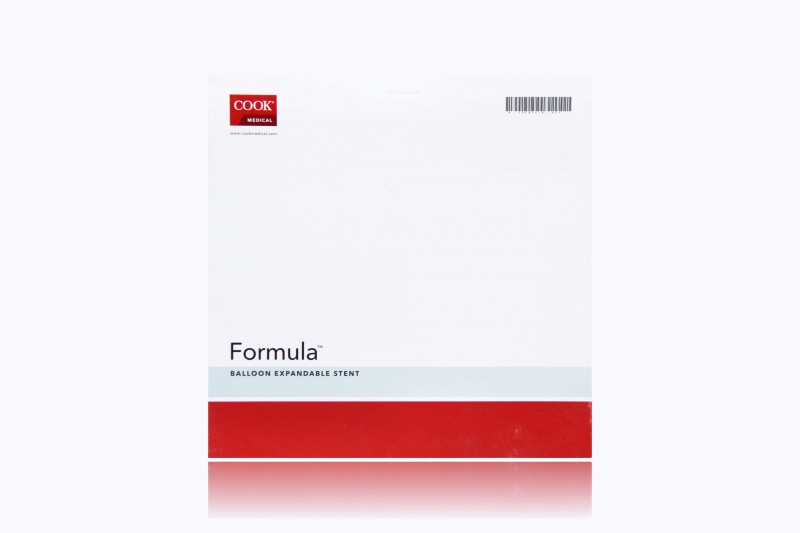
Cook Formula 414 Rx Renal Balloon Expandable Stent: 4mm x 16mm x 80cm
Original price was: $58.00.$14.50Current price is: $14.50.
box of 1
Out of stock
Expiration:
Expired
Express: Need it tomorrow? Order in next 2 hours 8 minutes and choose overnight shipping at checkout.
We currently do not have this item in stock, but we can email you as soon as it is available!
The item listed above is expired and may be used for educational, training, and non-clinical research purposes only. Any product information appearing below, including the product indication statement, pertains to an in-date item only.
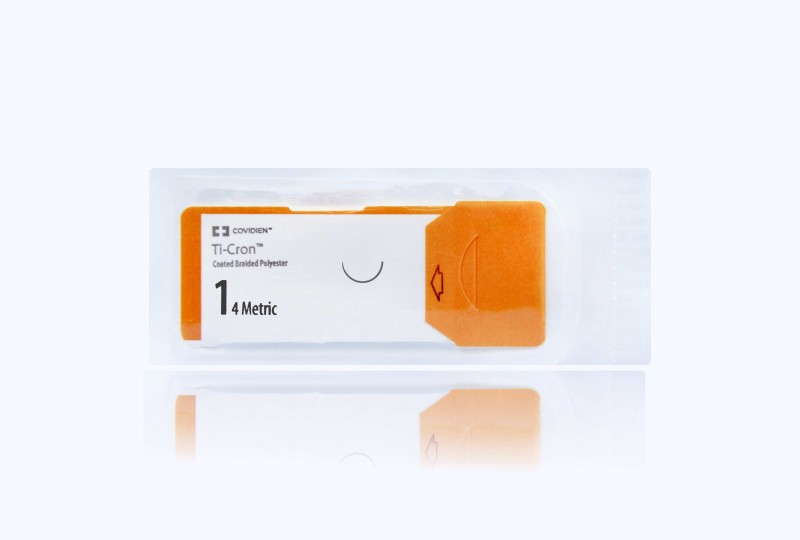
Medtronic TiCron blue 30" GS-21 taper
$5.00 packets

Medtronic Surgidac green 30" GS-21 taper
$36.00 box of 36

Medtronic Monosof black 60" GS-26 taper
$1.00 packets
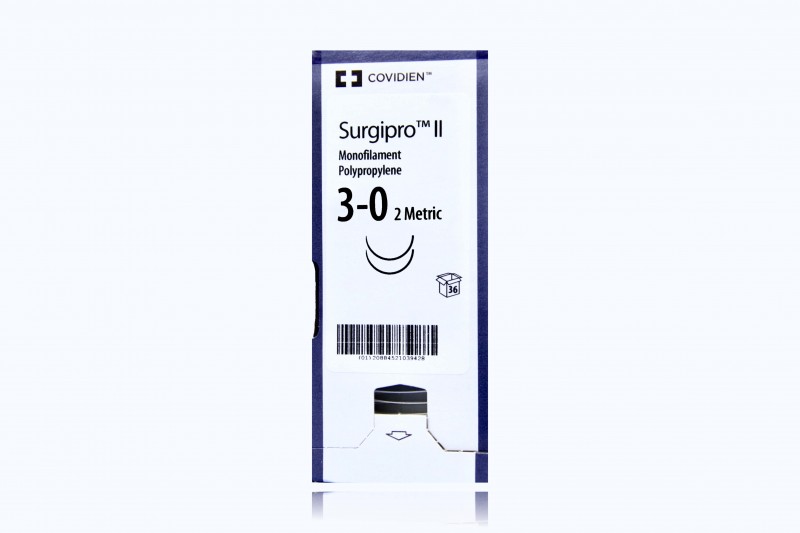
Medtronic Surgipro blue 36" KV-5 tapercutting, double armed
$85.00 box of 36
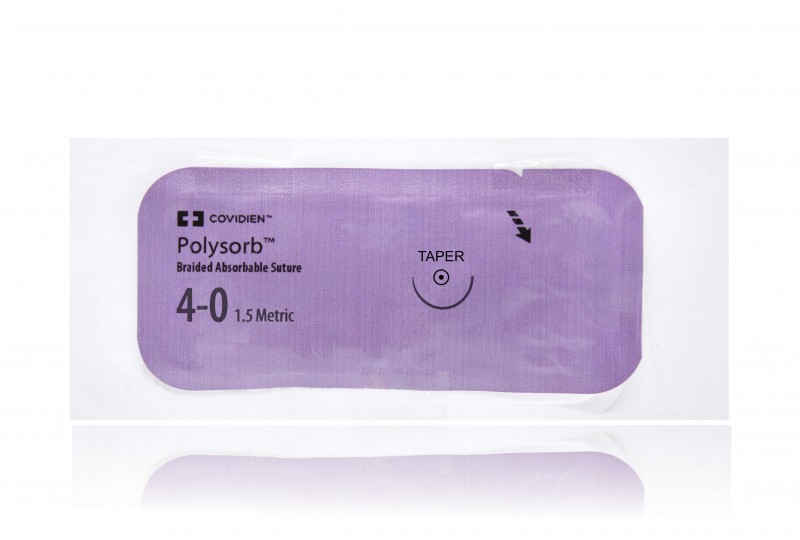
Medtronic Polysorb undyed 30" V-20 taper
$5.00 packets
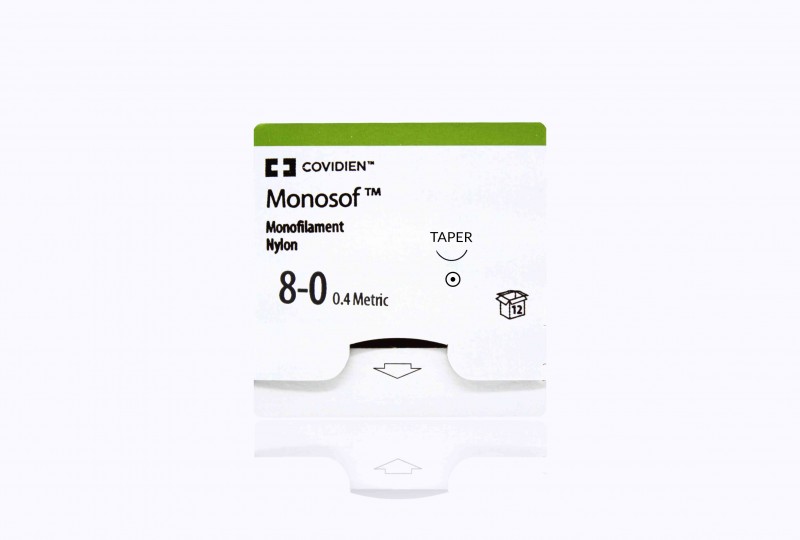
Medtronic Monosof black 5" MV-135-3 taper
$70.75 box of 12
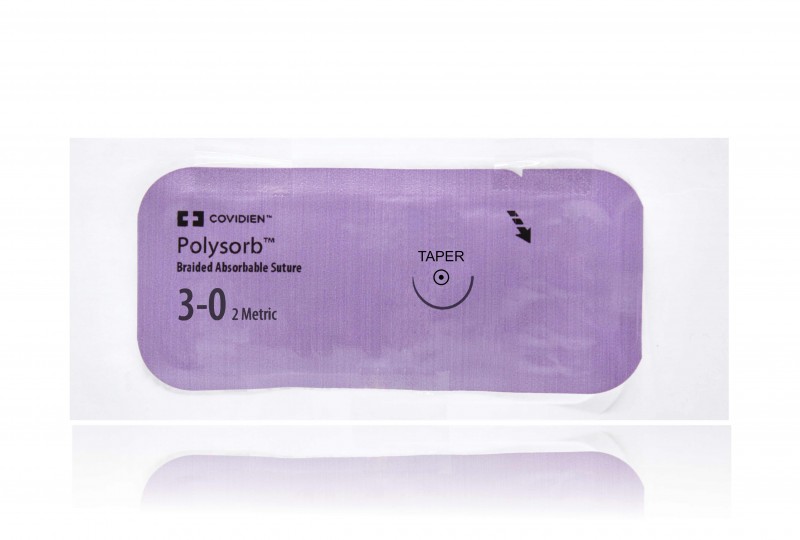
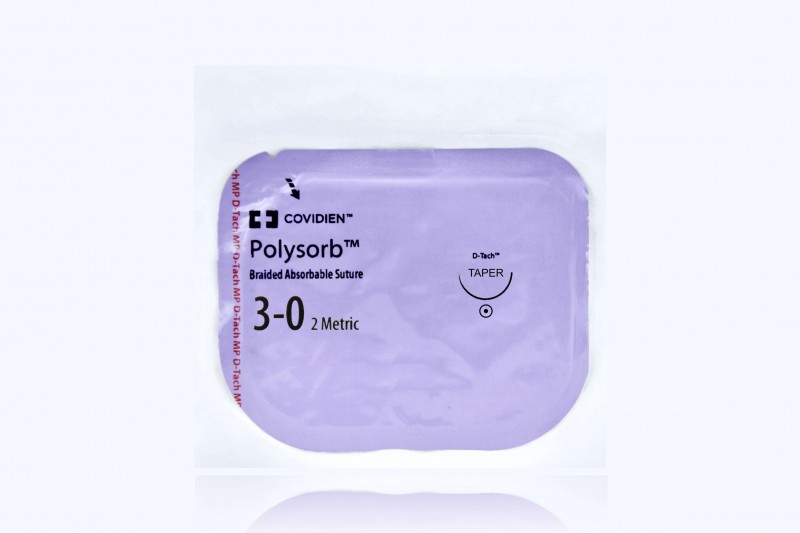
Medtronic Polysorb undyed 36" GS-21 taper
$2.00 packets
Description
Formula™ 414 RX Renal Balloon-Expandable Stent
G18524 / FORX414-14-80-4-16
- Accepts Wire Guide: 0.014"
- Stent Diameter: 4mm
- Stent Length: 16mm
- 80cm Rapid-Exchange
- Sheath / Guiding Catheter: 5F / 6F
- Nominal / Rated Burst Pressure: 8/12atm
Indicated for use in patients with atherosclerotic disease of the renal arteries following suboptimal percutaneous transluminal renal angioplasty (PTRA) of a de novo or restenotic lesion (≤ 18 mm in length) located within 10 mm of the renal ostium and with a reference vessel diameter of 4.0-7.0 mm. Suboptimal PTRA is defined as ≥ 50% residual stenosis, ≥ 20 mm Hg systolic or ≥ 10 mm Hg mean translesional pressure gradient or flow-limiting dissection.
Additional information
| Size | 4.00mm |
|---|---|
| Arms | N/A |
| Manufacturer | |
| Stent Length | 16mm |
| Unit | box of 1 |
| Usable Length | 80cm |
- FDA Product Code: NIN
- FDA Product Code Name: STENT, RENAL
- GMDN Term Code: 47932
- GMDN Term Name: Peripheral artery stent, bare-metal
- GMDN Term Description: A non-bioabsorbable tubular device intended to be implanted in a peripheral artery (excludes aorta, coronary, pulmonary, and intracranial arteries) to indefinitely maintain patency and improve luminal diameter in patients with atherosclerotic disease, or following the recanalization of a total occlusion. It may additionally be intended to be implanted in an obstructed biliary duct; it is not dedicated to carotid artery implantation, and not intended for connection with an aortic stent. It is made entirely of metal [e.g., Nitinol alloy mesh structure] and typically implanted by a dedicated instrument where it self-expands upon release or is balloon expanded.