

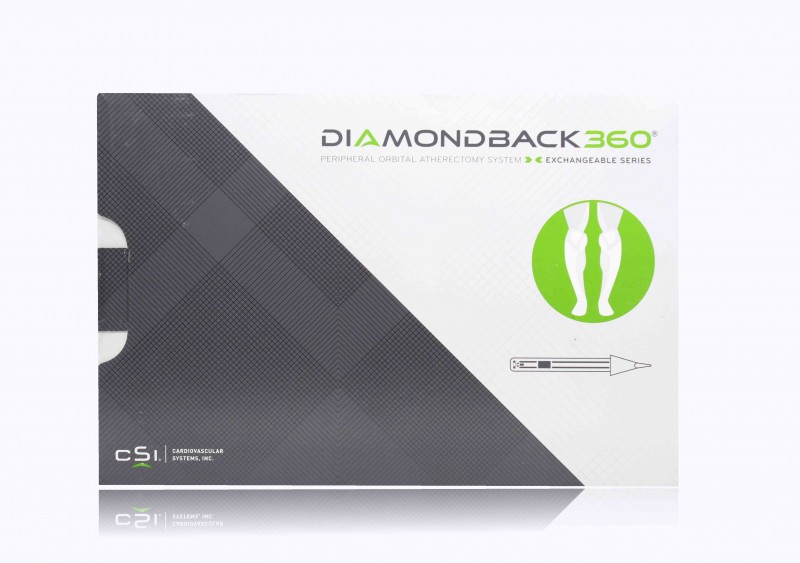
DBP-CART-125MIC145
CSI Diamondback 360 Peripheral Orbital Atherectomy Cartridge, Exchangeable Series, 1.25mm, 145cm, Micro, 4F
Original price was: $106.00.$42.40Current price is: $42.40.
box of 1
In Stock: 9 Eaches
Expiration:
Expired
Express: Need it tomorrow? Order in next 2 hours 8 minutes and choose overnight shipping at checkout.
The item listed above is expired and may be used for educational, training, and non-clinical research purposes only. Any product information appearing below, including the product indication statement, pertains to an in-date item only.

Medtronic Biosyn undyed 30" GS-21 taper
$94.50 box of 36
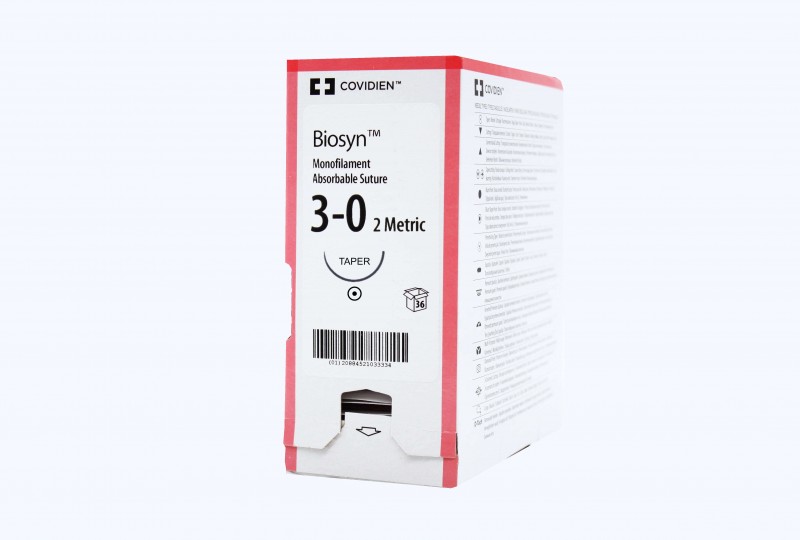
Medtronic Biosyn undyed 30" V-20 taper
$165.00 box of 36

Medtronic Biosyn undyed 36" GS-21 taper
$3.40 packets

Medtronic Monosof black 18" P-10 cutting (SN5697)
$1.00 packets

Medtronic Monosof black 12" SE-CC-6 spatula, double armed
$12.00 box of 12
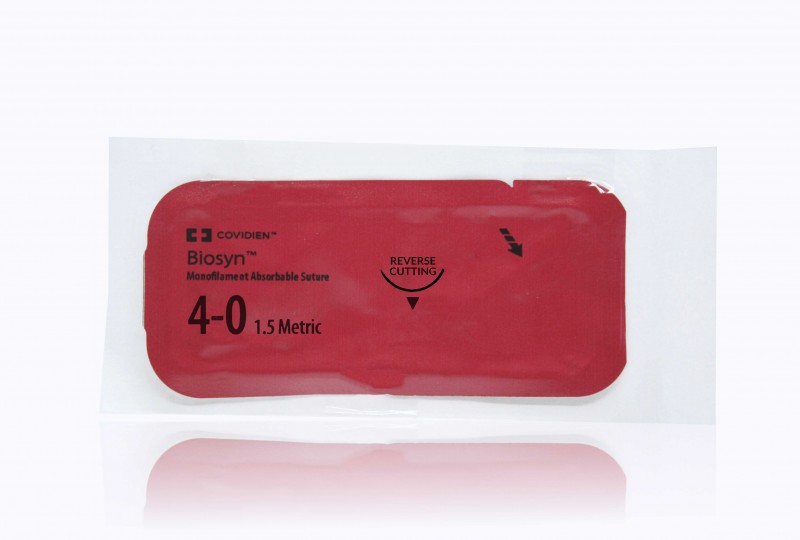
Medtronic Biosyn undyed 30" C-13 cutting
$5.00 packets

Medtronic Biosyn undyed 30" GS-21 taper
$141.50 box of 36
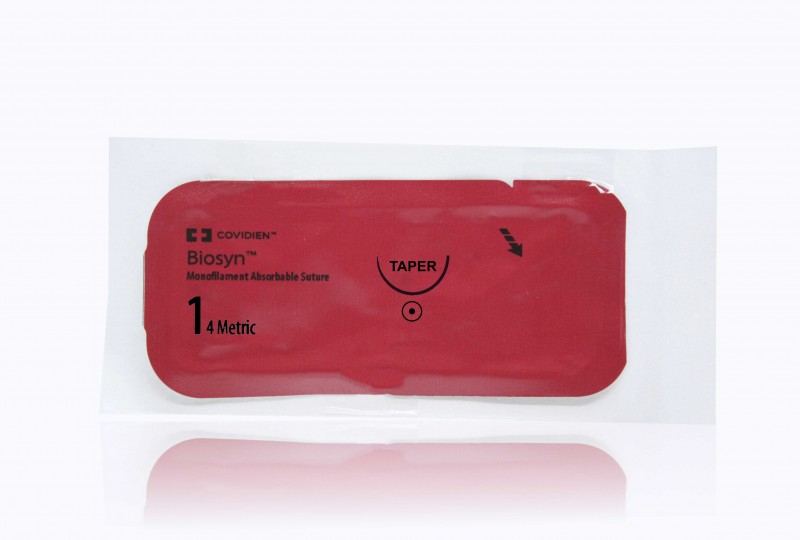
Medtronic Biosyn undyed 30" GS-21 taper
$2.55 packets
Additional information
| Size | 1 |
|---|---|
| Arms | N/A |
| Manufacturer | |
| Type | Atherectomy |
| Unit | box of 1 |
- FDA Product Code: MCW
- FDA Product Code Name: Catheter, Peripheral, Atherectomy
- GMDN Term Code: 44307
- GMDN Term Name: Mechanical atherectomy system catheter, peripheral
- GMDN Term Description: A sterile, flexible tube (catheter) intended to be percutaneously introduced for the intraluminal mechanical disruption of atheroma plaque from the walls of peripheral arteries. It has a power-driven cutting or abrasive head for slicing/grinding the atheroma into fragments small enough to be aspirated or absorbed. This device is not intended for use in the coronary, carotid, iliac or renal vasculature. This is a single-use device.
CSI
Cardiovascular Systems, Inc. (CSI), now a part of Abbott, specialized in innovative solutions for the treatment of peripheral and coronary artery disease through its proprietary orbital atherectomy systems. CSI’s flagship technologies include the Diamondback 360® Peripheral Orbital Atherectomy System and the Diamondback 360® Coronary Orbital Atherectomy System, both designed to modify calcified plaque and improve vessel compliance prior to stent placement or balloon angioplasty.
These systems use a diamond-coated crown that orbits within the vessel, sanding away plaque while preserving healthy tissue and facilitating better device delivery. CSI’s focus on challenging arterial disease—particularly in heavily calcified lesions—made it a valuable addition to Abbott’s vascular portfolio following its acquisition in 2023, further expanding minimally invasive treatment options for complex cardiovascular cases.