

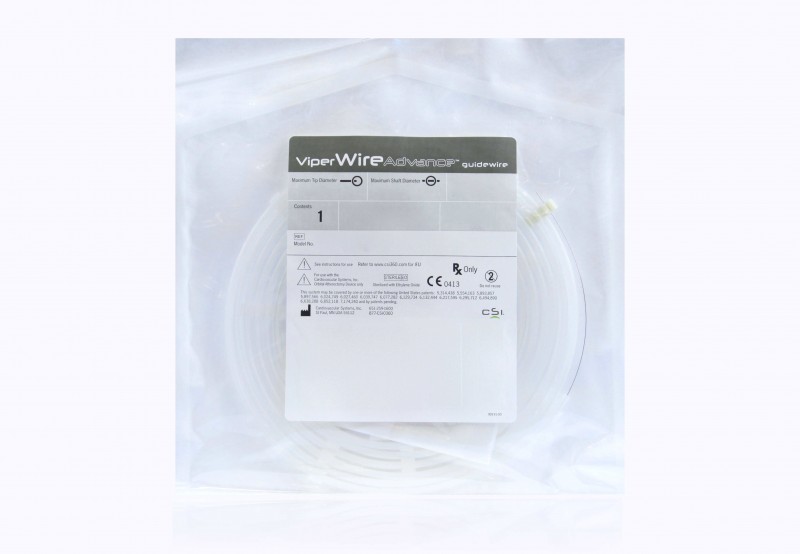
VPR-GW-FLEX14
CSI ViperWire Advance Guidewire 0.014″ x 335cm, Flex Tip
Original price was: $30.00.$15.00Current price is: $15.00.
eaches
In Stock: 93 Eaches
Expiration:
Expired
Express: Need it tomorrow? Order in next 2 hours 8 minutes and choose overnight shipping at checkout.
The item listed above is expired and may be used for educational, training, and non-clinical research purposes only. Any product information appearing below, including the product indication statement, pertains to an in-date item only.

Medtronic Biosyn undyed 30" GS-21 taper
$94.50 box of 36

Medtronic Biosyn undyed 36" GS-21 taper
$3.40 packets

Medtronic Biosyn undyed 30" GS-21 taper
$141.50 box of 36
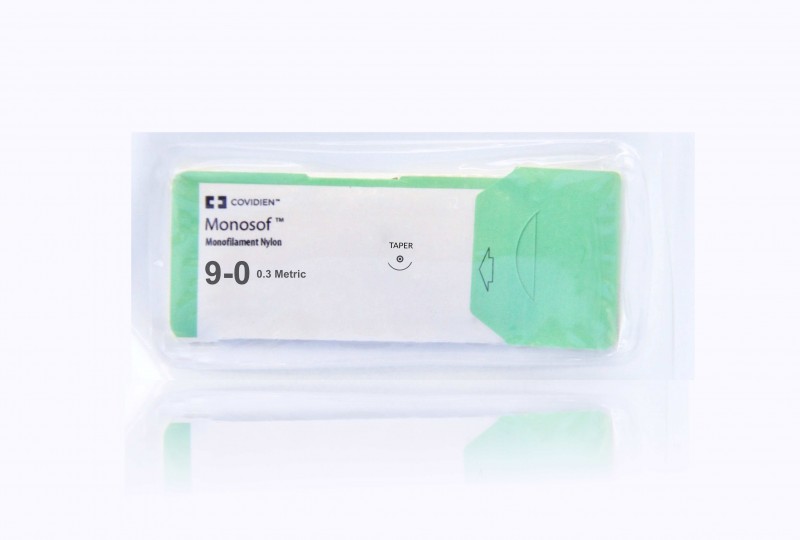
Medtronic Monosof black 5" MV-135-5 taper
$35.00 packets

Medtronic Biosyn undyed 27" GS-21 taper
$159.50 box of 36

Medtronic Monosof black 30" SC-2 cutting
$2.55 packets

Medtronic Maxon green 30" CV-23 taper
$5.25 packets
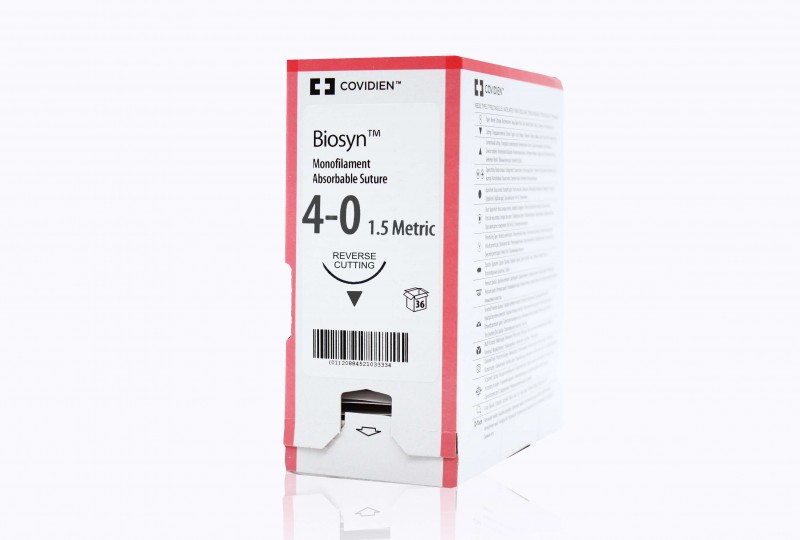
Medtronic Biosyn undyed 30" P-14 Reverse Cutting Needle
$209.00 box of 36
Additional information
| Size | 0.014" |
|---|---|
| Length | 335cm |
| Arms | N/A |
| Manufacturer | |
| Tip Shape | Straight |
| Type | Guide Wires |
| Unit | eaches |
- FDA Product Code: MCW
- FDA Product Code Name: Catheter, Peripheral, Atherectomy
- GMDN Term Code: 58115
- GMDN Term Name: Peripheral vascular guidewire, manual
- GMDN Term Description: A long, thin wire intended to be percutaneously placed into the peripheral vasculature (not heart or central nervous system) to function as a guide for the introduction of devices (e.g., catheters). It is made of metal (e.g., stainless steel, Nitinol), with or without coating, and is available in a variety of distal tip designs. It is intended to be used for percutaneous angiography, angioplasty, rotational atherectomy and thrombectomy, drainage, and other diagnostic and interventional procedures. It may include devices used to facilitate manipulation (e.g., torque device). This is a single-use device.
CSI
Cardiovascular Systems, Inc. (CSI), now a part of Abbott, specialized in innovative solutions for the treatment of peripheral and coronary artery disease through its proprietary orbital atherectomy systems. CSI’s flagship technologies include the Diamondback 360® Peripheral Orbital Atherectomy System and the Diamondback 360® Coronary Orbital Atherectomy System, both designed to modify calcified plaque and improve vessel compliance prior to stent placement or balloon angioplasty.
These systems use a diamond-coated crown that orbits within the vessel, sanding away plaque while preserving healthy tissue and facilitating better device delivery. CSI’s focus on challenging arterial disease—particularly in heavily calcified lesions—made it a valuable addition to Abbott’s vascular portfolio following its acquisition in 2023, further expanding minimally invasive treatment options for complex cardiovascular cases.