
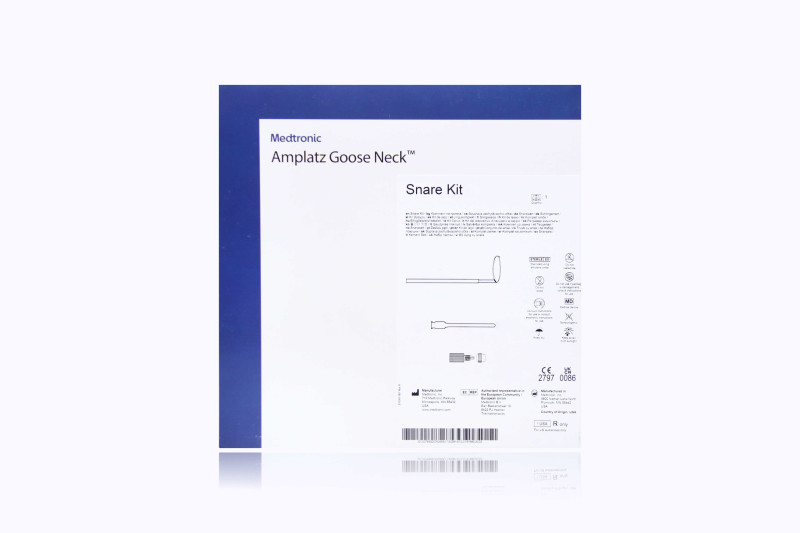
SK401
ev3 Amplatz Goose Neck Microsnare Kit: 200cm x 4mm x 175cm
$159.00
box of 1
In Stock: 1 Each
Expiration:
Expired
Express: Need it tomorrow? Order in next 2 hours 8 minutes and choose overnight shipping at checkout.
The item listed above is expired and may be used for educational, training, and non-clinical research purposes only. Any product information appearing below, including the product indication statement, pertains to an in-date item only.

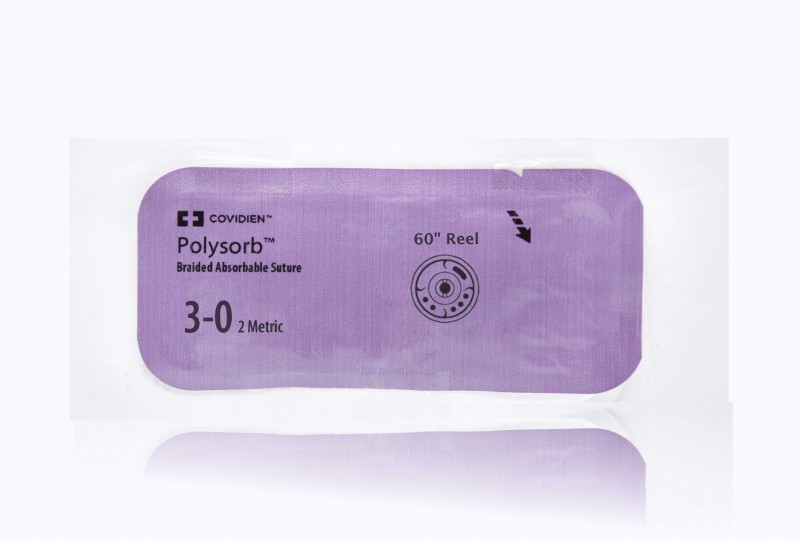
Medtronic Surgidac green 30" GS-22 taper
$36.00 box of 36
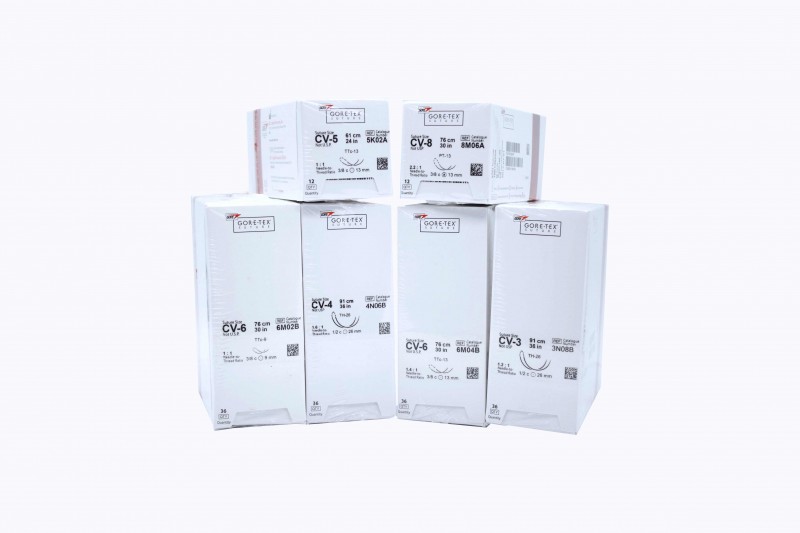
Gore-Tex 30" TTc-13 taper, double armed
$120.00 box of 12
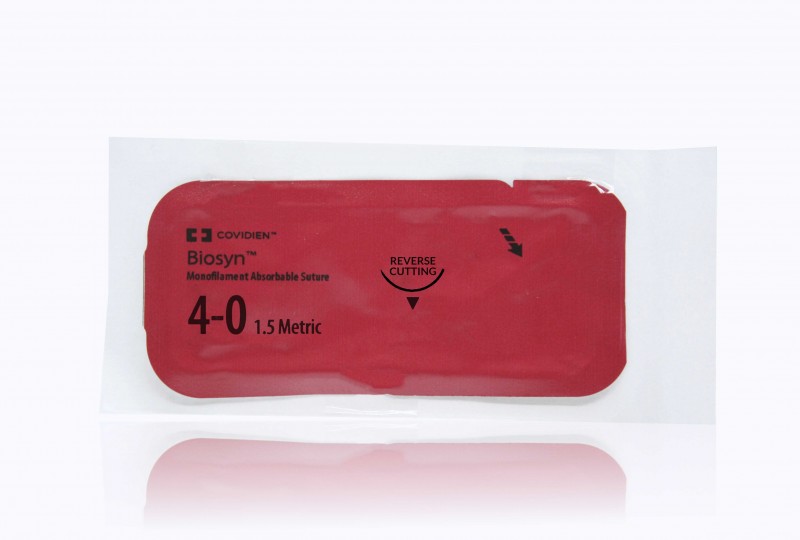
Medtronic Biosyn undyed 30" P-14 Reverse Cutting Needle
$1.00 packets
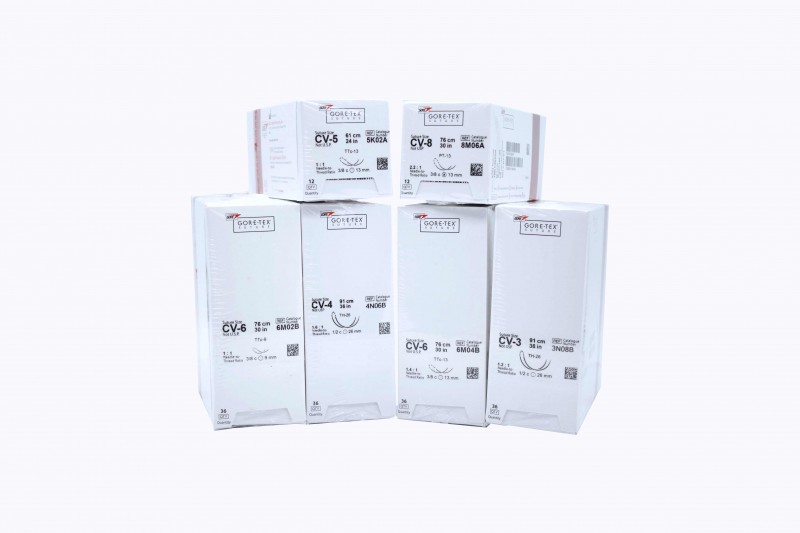
Gore-Tex 30" TTc-12 taper, double armed
$120.00 box of 12
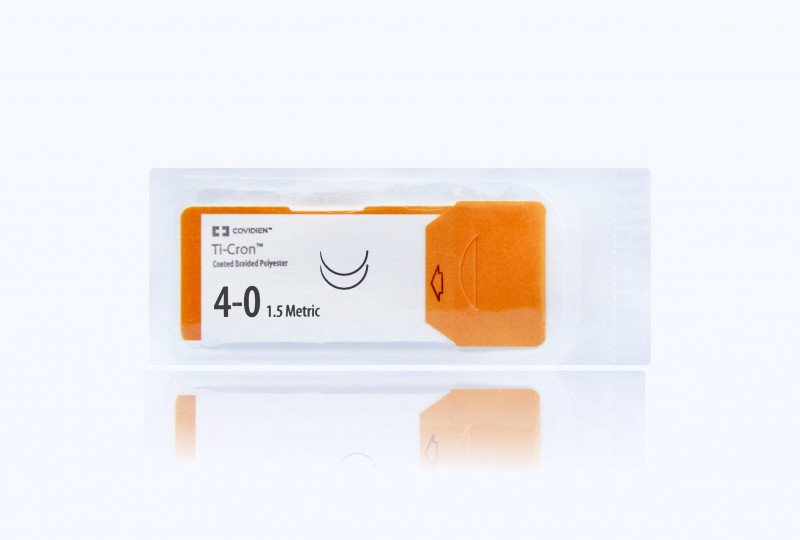
Medtronic TiCron blue 30" CV-331 taper, double armed
$8.00 packets

Nurolon black 8 x 18" FSL cutting, CR/8 (8 sutures per packet)
$220.00 box of 12
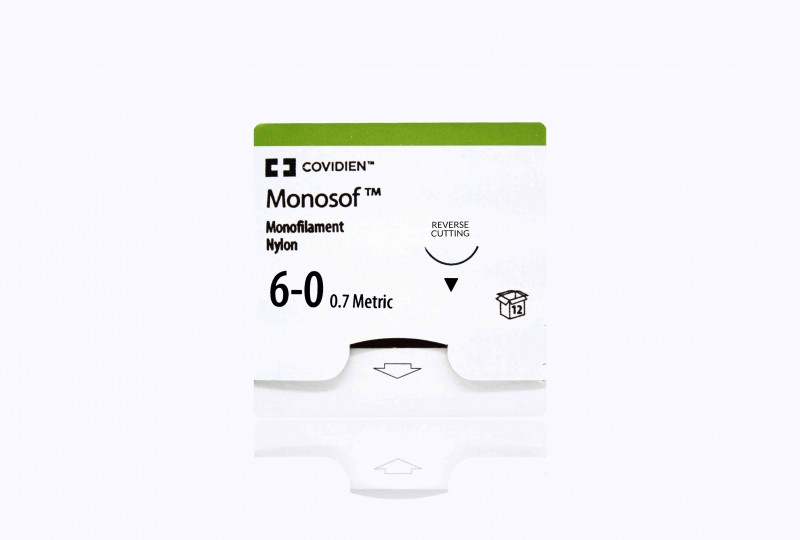
Medtronic Monosof black 18" P-10 cutting (SN5697)
$12.00 box of 12
Description
Medtronic ev3 Amplatz GooseNeck® Snare Kit
The Amplatz GooseNeck® Snare Kit contains one Amplatz GooseNeck Snare and one Amplatz GooseNeck Snare Catheter. The snare is constructed of Nitinol cable and a gold plated tungsten loop. The pre-formed snare loop can be introduced through catheters without risk of snare deformation because of the snare’s super-elastic construction. The snare catheter contains a platinum-iridium radiopaque marker band.
Product Code: SK401
- (1) 4mm Loop Snare
- (1) 2.3-3.0F Microcatheter
- Nitinol Shaft for durability and kink resistance
- Super-elastic and shape memory properties of nitinol provide kink resistance.
- Ideal for challenging or unplanned foreign body retrieval and manipulation cases.
True 90° snare loop remains coaxial to the lumen
- Snare loop forms a true 90° angle.
- Device remains coaxial to the lumen for proper insertion and successful retrieval or manipulation of atraumatic foreign bodies.
- Gold tungsten Coils for enhanced visualization
- Gold tungsten loops provide excellent radiopacity for improved procedural precision.
Additional information
| Size | 1 |
|---|---|
| Arms | N/A |
| Manufacturer | |
| Unit | box of 1 |
- FDA Product Code: DQY
- FDA Product Code Name: Catheter, Percutaneous
- GMDN Term Code: 17927
- GMDN Term Name: Intravascular extraction catheter-snare
- GMDN Term Description: A flexible, end- and/or side-hole tube with a long snaring device (e.g., a wire loop or noose) inserted through its lumen, designed to be introduced into a blood vessel or similar structure to manually retrieve or manipulate a foreign body. It is typically available in two forms: 1) the loop emerges from the distal tip of the catheter while both free ends of the wire emerge from the proximal end; and 2) the end of the wire is attached to the distal end of the catheter while the free end is passed through the lumen to emerge at the proximal end. The wire is usually made of a high-strength, stiff metal [e.g., nickel-titanium alloy (Nitinol)].