
N352604
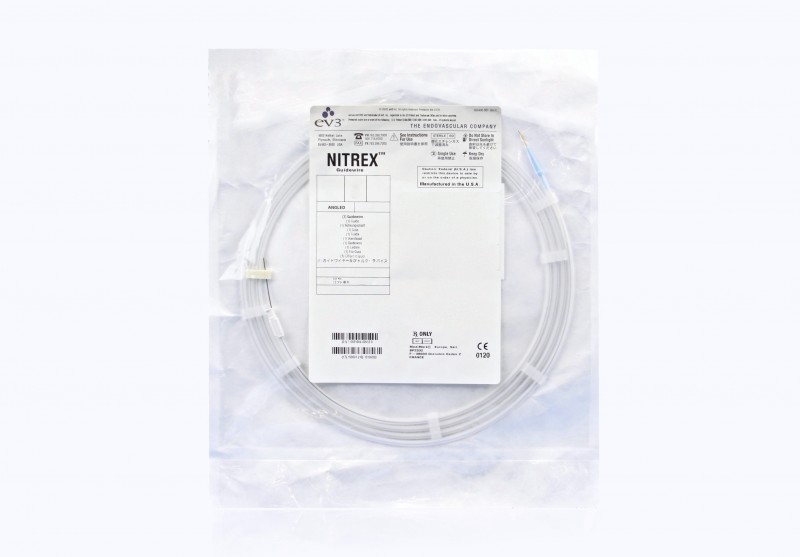
ev3 Nitrex Guidewire: 0.035″ x 260cm, Straight
$29.00
eaches
In Stock: 4 Eaches
Expiration:
Expired
Express: Need it tomorrow? Order in next 2 hours 8 minutes and choose overnight shipping at checkout.
The item listed above is expired and may be used for educational, training, and non-clinical research purposes only. Any product information appearing below, including the product indication statement, pertains to an in-date item only.
Medtronic Polysorb undyed 30" V-20 taper
$149.00 box of 36
Medtronic Maxon green 36" GS-24 taper
$6.00 packets
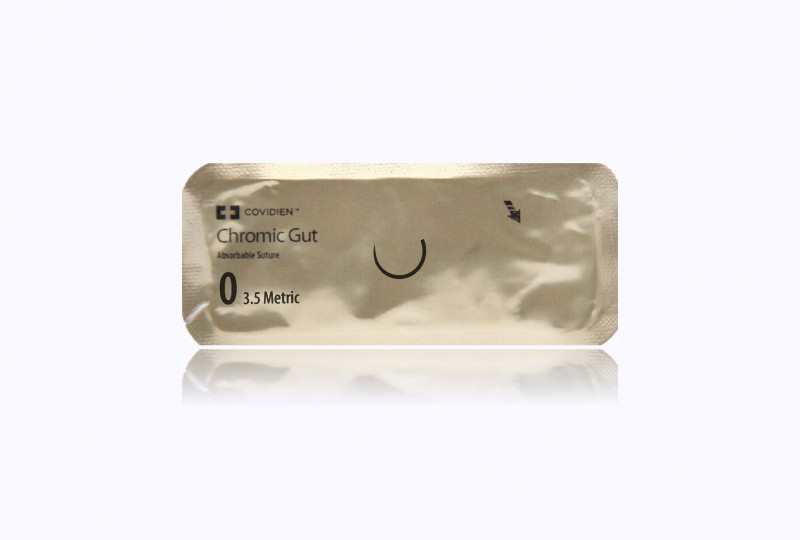
Medtronic Chromic Gut 30" GU-45 (UR-5) Taper
$1.00 packets
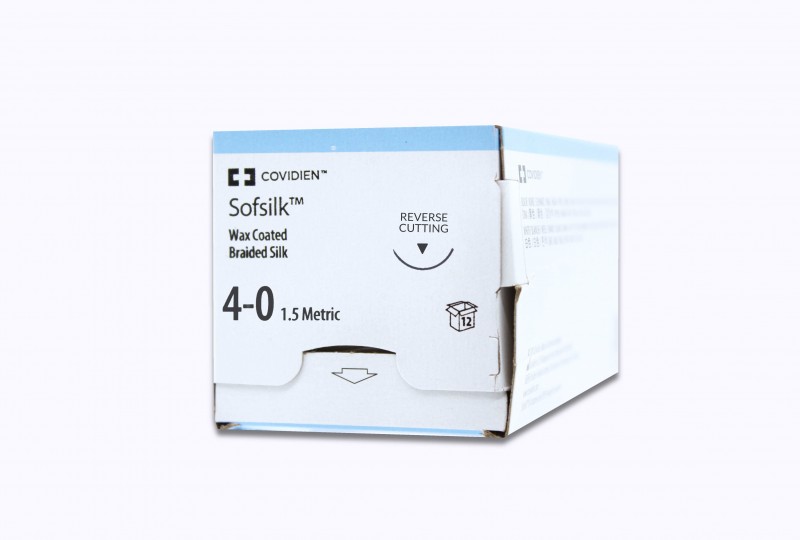
Medtronic Sofsilk black 18" P-13 cutting
$89.00 box of 12
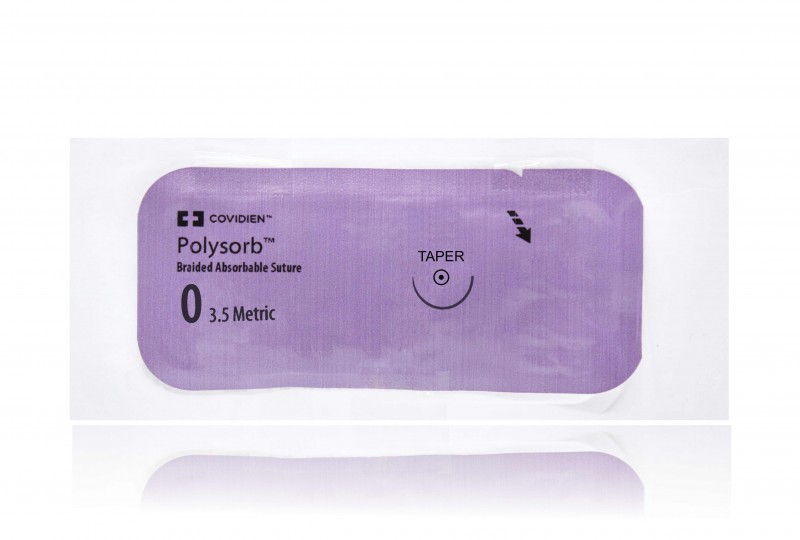
Medtronic Polysorb undyed 30" GS-22 taper
$1.00 packets
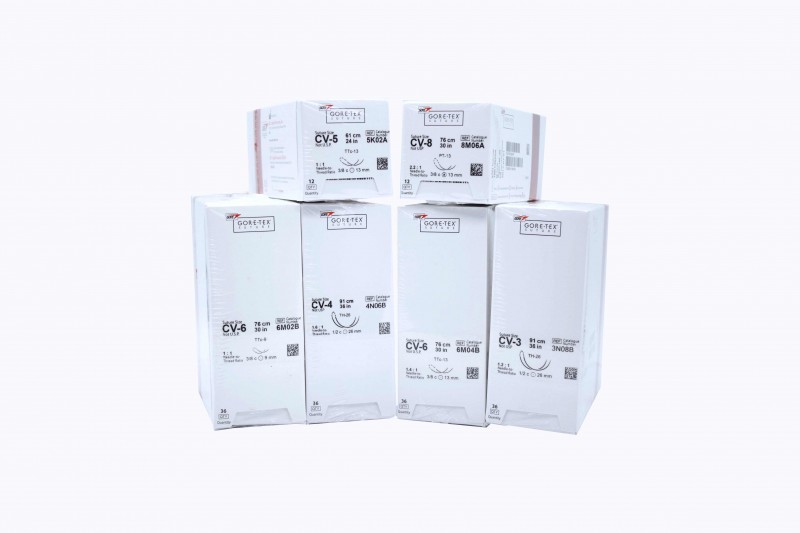
Gore-Tex 18" TH-13 taper, double armed
$179.00 box of 12
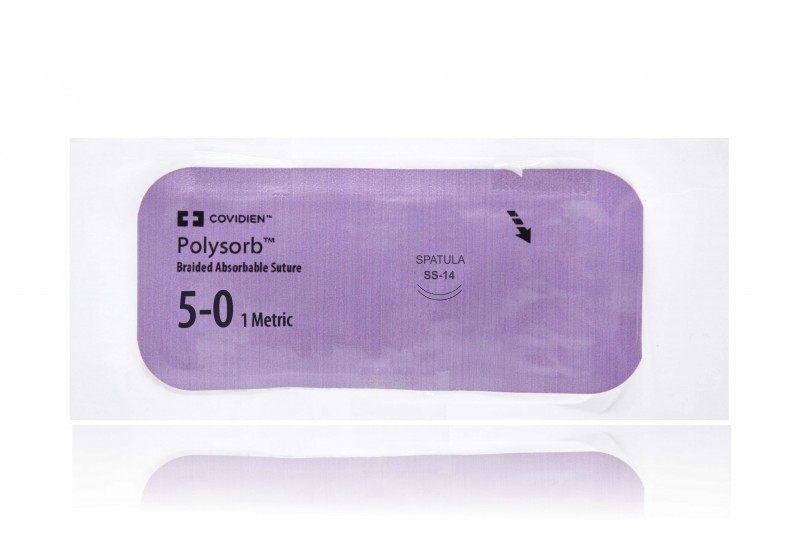
Medtronic Polysorb violet 18" SS-14 Spatula, Reverse, Double Armed
$79.00 box of 12
Description
Nitrex® Guidewires
N352604
- Diameter: 0.035"
- Length: 260cm
- Tip Style: Intermediate
- Tip Length: 9cm
- Tip Shape: Straight
The Nitrex® Nitinol Guidewire is a kink resistant and true 1:1 torque guidewire constructed of a nitinol core wire with a gold-plated tungsten coil. The wire has a proprietary silicone coating for ease in guidewire placement. A torque device is packaged with 0.014 in. (0.36 mm) through 0.018 in. (0.46 mm) diameter Nitrex Nitinol Guidewires.
SOLID NITINOL CORE with 1:1 torque
- Proprietary manufacturing processes create a wire with a gently tapered, continuous nitinol core that extends from the proximal end through the distal tip.
- Kink resistant core for precise manipulation and steerability in tortuous anatomy saves time during procedural cases.
DISTINCT COATINGS for exact choice of lubricity
- Nitrex Guidewires with a specialized silicone coating offer the ability to maintain placement in the vessel and maximum control throughout the procedure.
GOLD TUNGSTEN COILS for enhanced visualization
- Nitrex Guidewires with gold tungsten coils provide excellent radiopacity for easy visualization to ensure precise navigation through the vasculature.
Additional information
| Size | 0.035" |
|---|---|
| Length | 260cm |
| Arms | N/A |
| Manufacturer | |
| Tip Shape | Straight |
| Unit | eaches |
- FDA Product Code: DQX
- FDA Product Code Name: Wire, Guide, Catheter
- GMDN Term Code: 35094
- GMDN Term Name: Cardiac/peripheral vascular guidewire, single-use
- GMDN Term Description: A long, thin, sterile wire intended to be percutaneously placed into the cardiac vasculature (ventricles or coronary vessels) to function as a guide for the introduction, positioning, and/or operation of a device (e.g., catheter, pacing lead); it may also be used in the peripheral vasculature. It may be made of metal (e.g., stainless steel, Nitinol), or polymer and/or glass materials to provide MRI-compatibility, with or without coating, and is available in a variety of distal tip designs. It is used for various diagnostic and interventional procedures, and may include devices used to facilitate manipulation (e.g., torque device). This is a single-use device.