
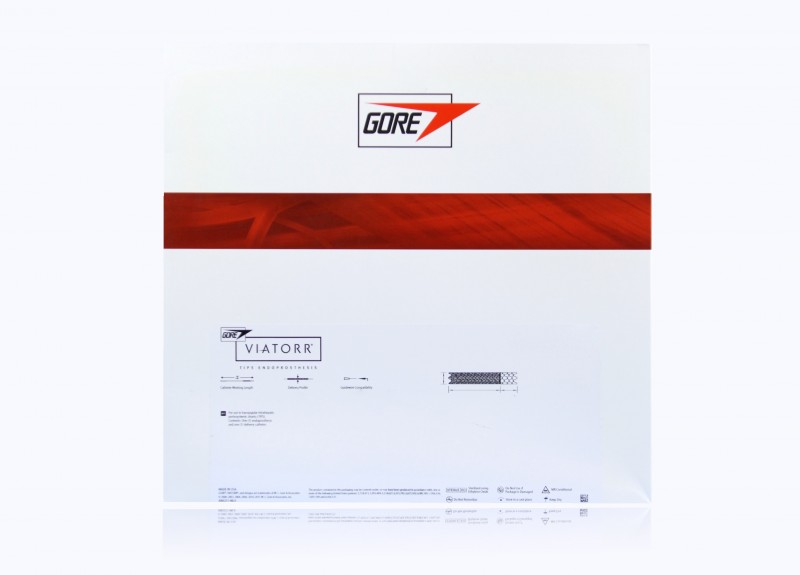
PTB106275
Gore Viatorr Tips Endoprosthesis 10mm x 60mm, 75cm
$299.00
box of 1
Out of stock
Expiration:
Expired
Express: Need it tomorrow? Order in next 2 hours 8 minutes and choose overnight shipping at checkout.
We currently do not have this item in stock, but we can email you as soon as it is available!
The item listed above is expired and may be used for educational, training, and non-clinical research purposes only. Any product information appearing below, including the product indication statement, pertains to an in-date item only.
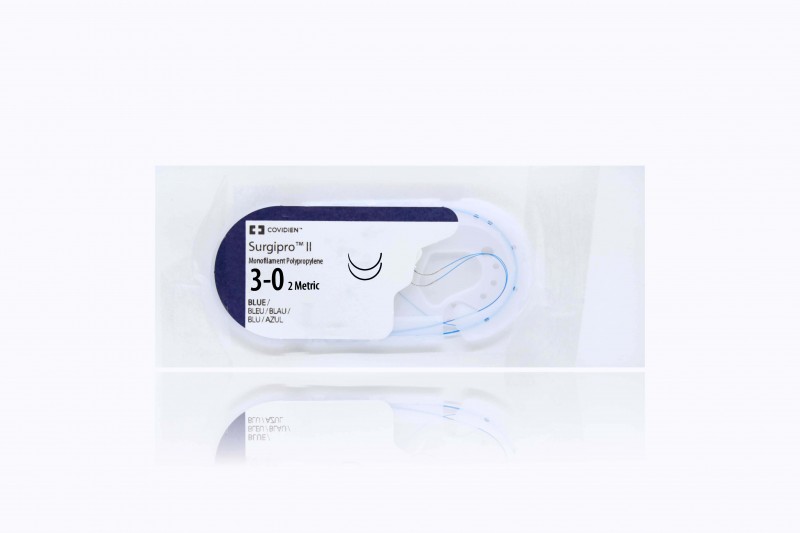
Medtronic Surgipro blue 36" V-20 taper, double armed
$8.00 packets
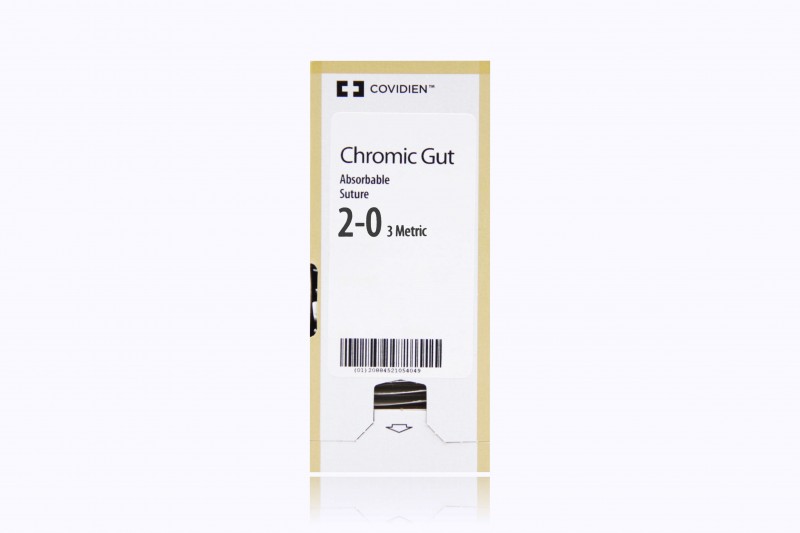
Medtronic Chromic Gut 60" strand (ligating reel) (no needle)
$99.00 box of 24
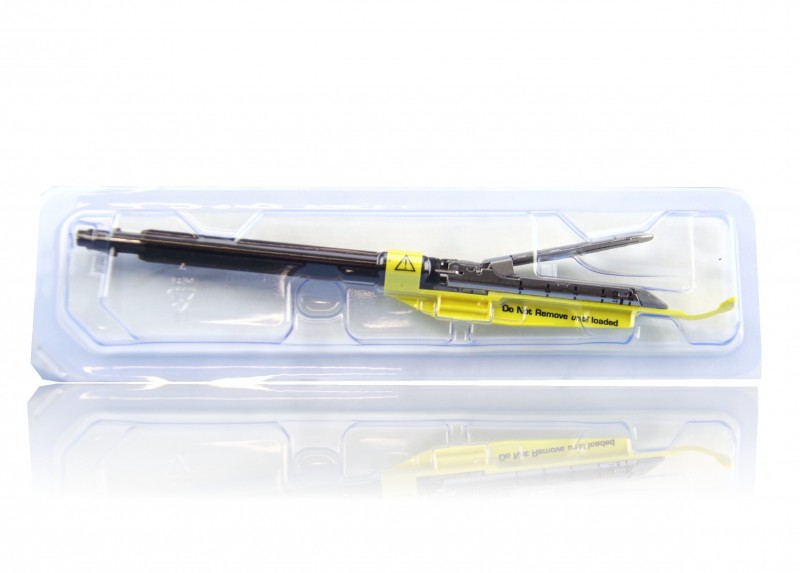
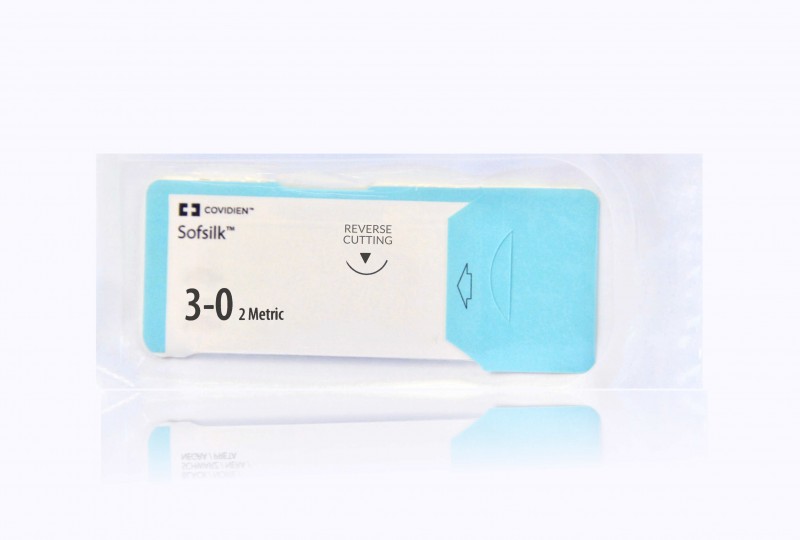
Medtronic Sofsilk black 18" P-12 cutting
$1.00 packets
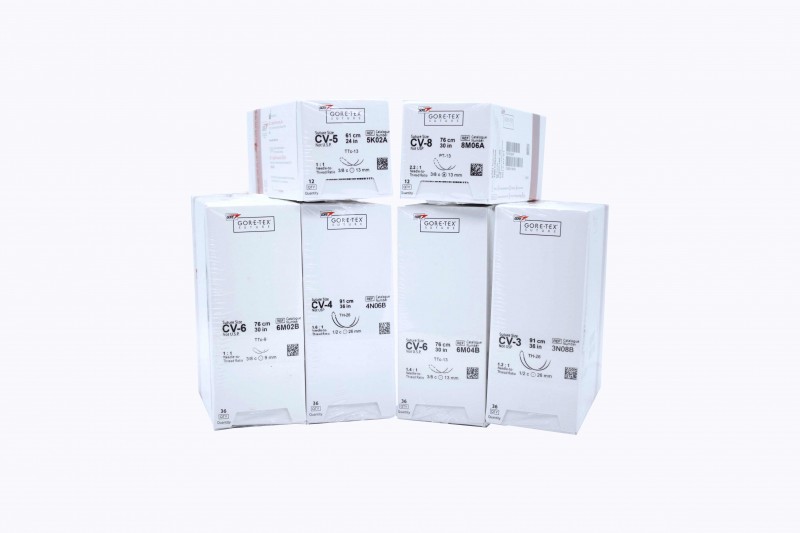
Gore-Tex ePTFE Suture 30" PT-9 Piercing Point Needle, Double Armed
$479.00 box of 12
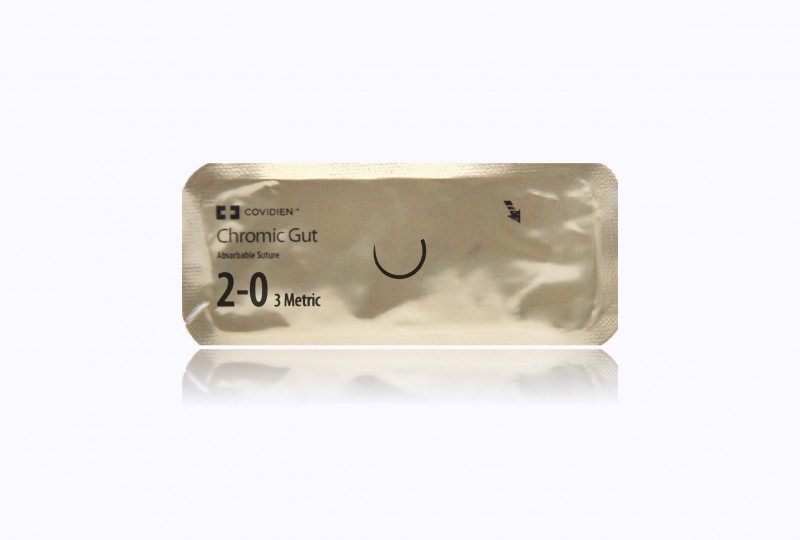
Medtronic Chromic Gut 30" GU-46 (UR-6) Taper
$1.00 packets
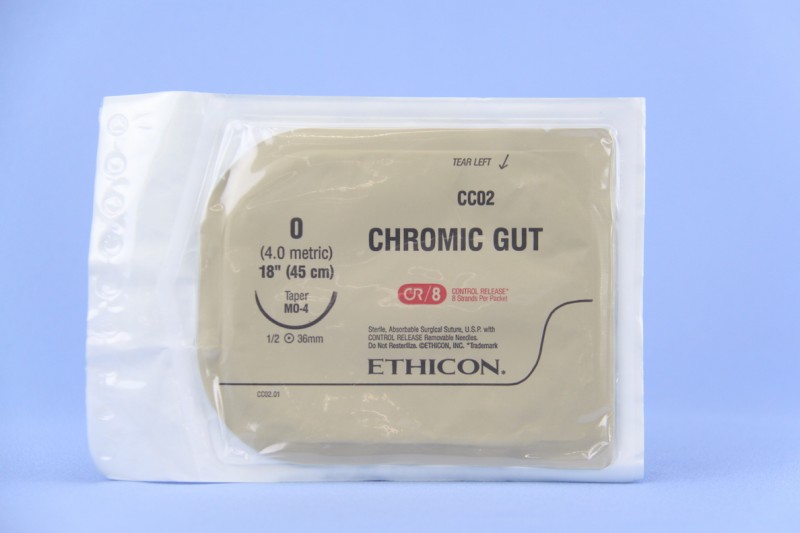
Chromic Gut 8 x 18" MO-4 taper, CR/8 (8 sutures per packet)
$76.00 packets
Description
GORE® VIATORR® TIPS Endoprosthesis
Physicians treating portal hypertension must be concerned about control of symptoms, maintaining shunt patency and minimizing complications, such as encephalopathy and liver failure following Transjugular Intrahepatic Portosystemic Shunt (TIPS) creation.
The GORE® VIATORR® TIPS Endoprosthesis is an innovative solution for TIPS in both de novo and revision procedures. The proprietary, reduced permeability ePTFE graft lining minimizes transmural permeation of bile and mucin (which are common causes of patency loss) and minimizes tissue ingrowth into the graft for ease of surgical dissection during liver transplantation. Additionally, it offers improved radial compression strength over the leading, commercially-available stents, and ensures secure anchoring with minimal kinking and tissue deformation. The unlined "chain link" segment of the device allows for nutrient portal perfusion.
- (1) Endoprosthesis
- (1) Delivery Catheter
- Unlined Length: 2cm
Additional information
| Size | 10.00mm |
|---|---|
| Arms | N/A |
| Manufacturer | |
| Stent Length | 60mm |
| Unit | box of 1 |
| Usable Length | 75cm |
- FDA Product Code: MIR
- FDA Product Code Name: Shunt, Portosystemic, Endoprosthesis
- GMDN Term Code: 58043
- GMDN Term Name: Endoprosthetic portosystemic shunt
- GMDN Term Description: A device intended to be permanently implanted to create or revise a transjugular intrahepatic portosystemic shunt (TIPS), a bypass for blood made between the portal and hepatic veins of the liver delivered to the liver via percutaneous access from the jugular vein, to treat portal hypertension and its complications (e.g., bleeding varices, gastropathy, ascites, and/or hepatic hydrothorax). It is a stent-like tube typically made of metal and polymer materials [e.g., nickel-titanium alloy (Nitinol), expanded polytetrafluoroethylene (ePTFE)] that expand upon implantation. It is implanted using a catheter delivery system and is available in various diameters (e.g., 8 - 12 mm).