
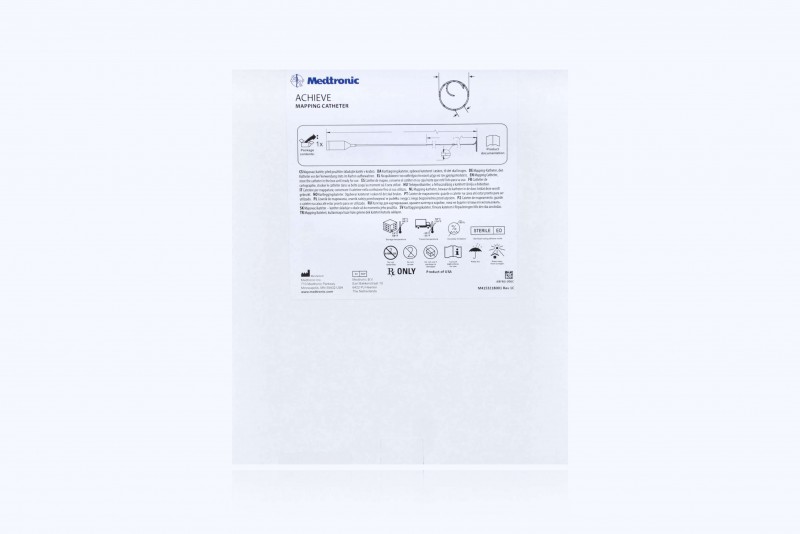
990063-015
Medtronic Achieve Mapping Catheter, 15mm
Original price was: $250.00.$162.50Current price is: $162.50.
box of 1
In Stock: 38 Eaches
Expiration:
Expired
Express: Need it tomorrow? Order in next 2 hours 8 minutes and choose overnight shipping at checkout.
The item listed above is expired and may be used for educational, training, and non-clinical research purposes only. Any product information appearing below, including the product indication statement, pertains to an in-date item only.
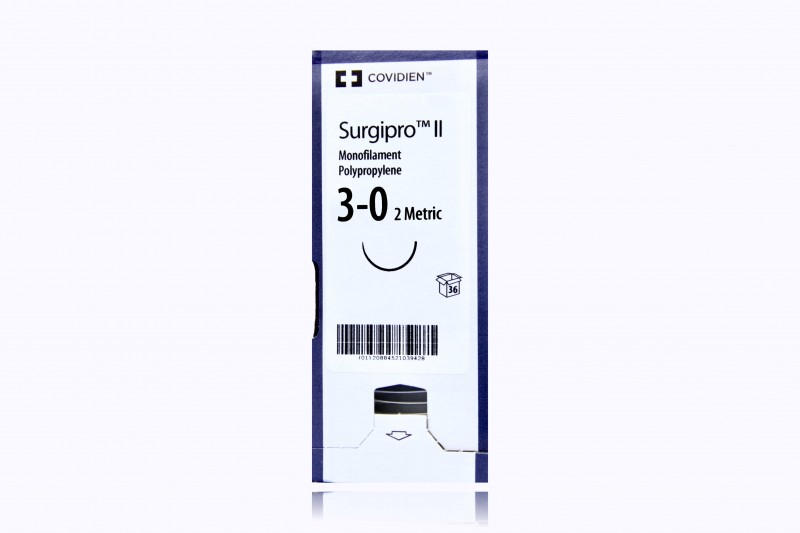
Medtronic Surgipro blue 30" V-20 taper
$36.00 box of 36
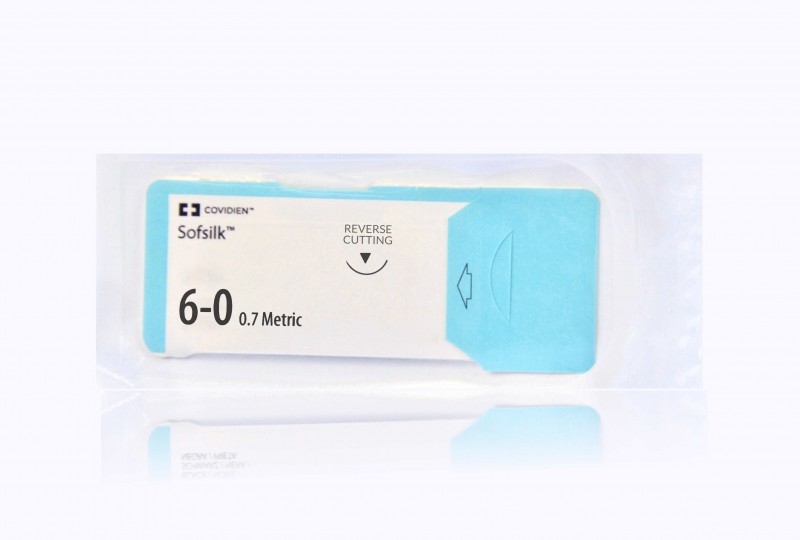
Medtronic Sofsilk black 18" P-10 cutting
$1.65 packets

Ethilon black 60" strand
$1.05 packets
Vicryl undyed 27" CP cutting
$182.00 box of 36
Chromic Gut 3 x 18" strands (3 strands per packet)
$44.00 box of 36
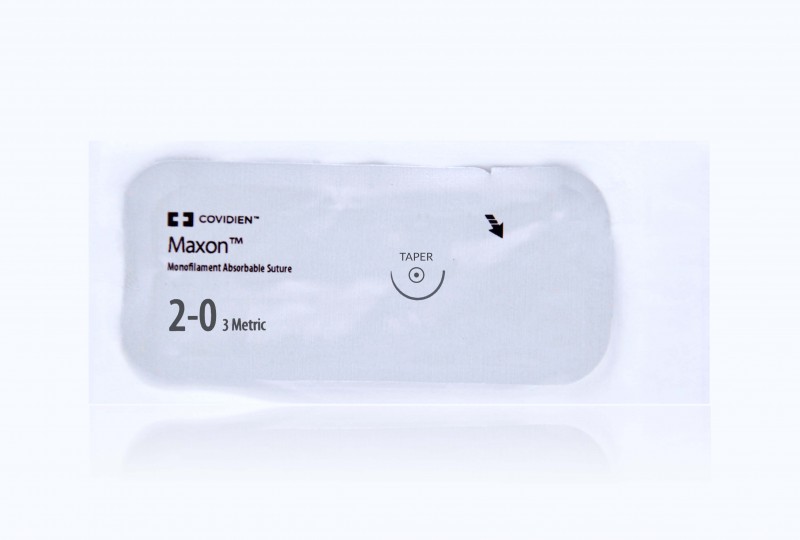
Medtronic Maxon Suture green 30" GS-21 (CT-1) Taper
$5.00 packets
Description
Medtronic Achieve Mapping Catheter
Achieve Mapping Catheter
Indications
The Achieve Mapping Catheter is indicated for multiple electrode electrophysiological mapping of the cardiac structures of the heart, i.e., recording or stimulation only. The Achieve Mapping Catheter is designed to obtain electrograms in the atrial regions of the heart.
Contraindications
The catheter is contraindicated as follows:
- For use as an ablation device
- For use with transseptal sheaths featuring side holes larger than 1.00 mm in diameter
- Retrograde approach
The catheter is contraindicated in patients with:
- An active systemic infection
- Left atrial thrombus
- Pulmonary vein stents
- Prosthetic heart valve (tissue or mechanical)
- Myxoma
- Interatrial baffle or patch
- Conditions where the manipulation of the catheter within the heart would be unsafe
- Acute myocardial infarction
Additional information
| Size | 1 |
|---|---|
| Arms | N/A |
| Manufacturer | |
| Unit | box of 1 |
- FDA Product Code: DRF
- FDA Product Code Name: CATHETER, ELECTRODE RECORDING, OR PROBE, ELECTRODE RECORDING
- GMDN Term Code: 46355
- GMDN Term Name: Cardiac mapping catheter, percutaneous, single-use
- GMDN Term Description: A sterile, steerable, flexible tube containing multiple electrodes that is introduced percutaneously into the heart chambers in order to transmit electrical impulses for electrophysiological diagnostic examinations, e.g., intracardiac sensing, endocardial recording, stimulation, temporary pacing for evaluation of cardiac arrhythmias, cardioversion (CV) of electrical arrhythmias or electrophysiology (EP) mapping of cardiac structures. It is typically made of plastic with embedded electrodes often of platinum (Pt), iridium, or a composite. This is a single-use device.