
SJM401761
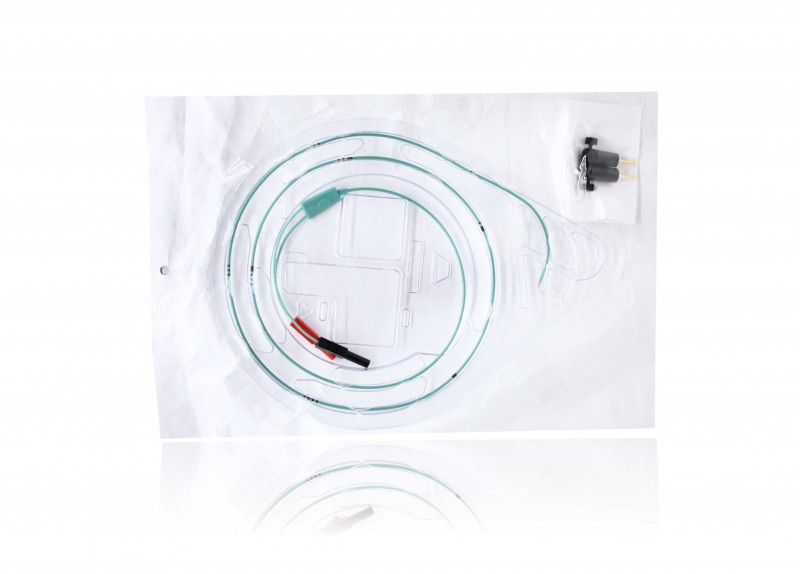
SJM Pacel Bipolar Pacing Catheter, Straight 5F
$10.00
box of 1
Out of stock
Expiration:
Expired
Express: Need it tomorrow? Order in next 2 hours 8 minutes and choose overnight shipping at checkout.
We currently do not have this item in stock, but we can email you as soon as it is available!
The item listed above is expired and may be used for educational, training, and non-clinical research purposes only. Any product information appearing below, including the product indication statement, pertains to an in-date item only.
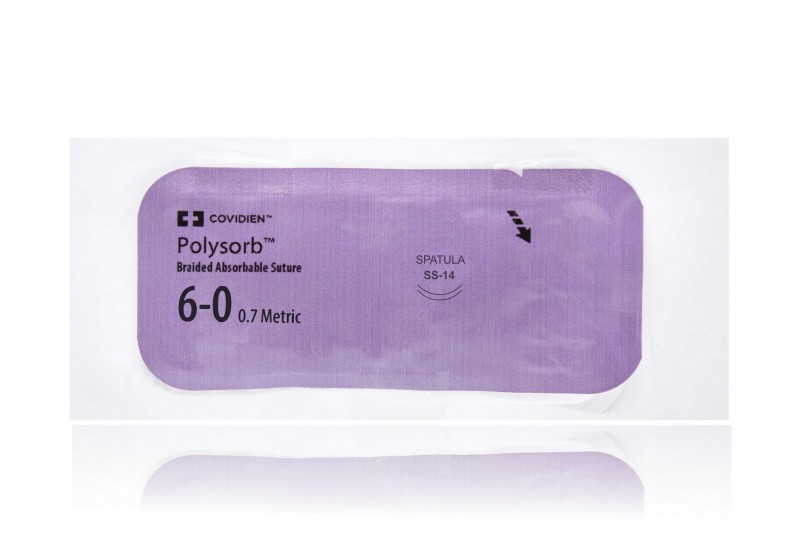
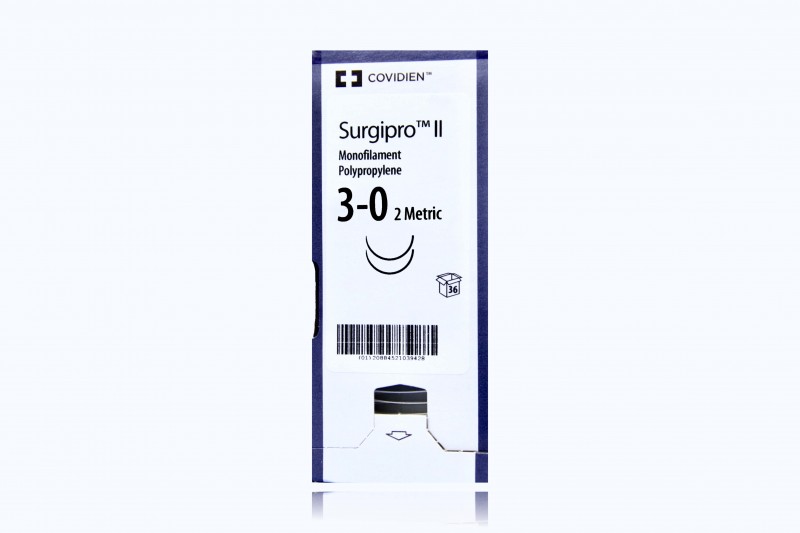
Medtronic Surgipro blue 36" KV-5 tapercutting, double armed
$85.00 box of 36
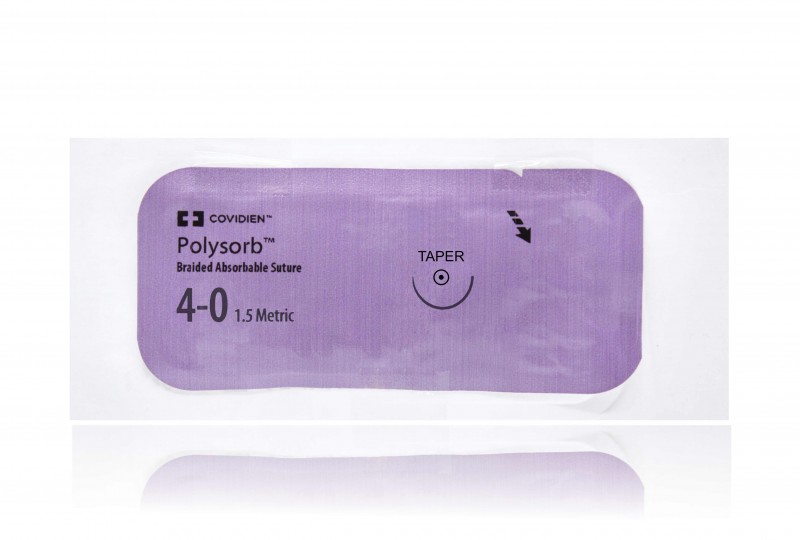
Medtronic Polysorb undyed 30" CV-22 taper
$1.75 packets
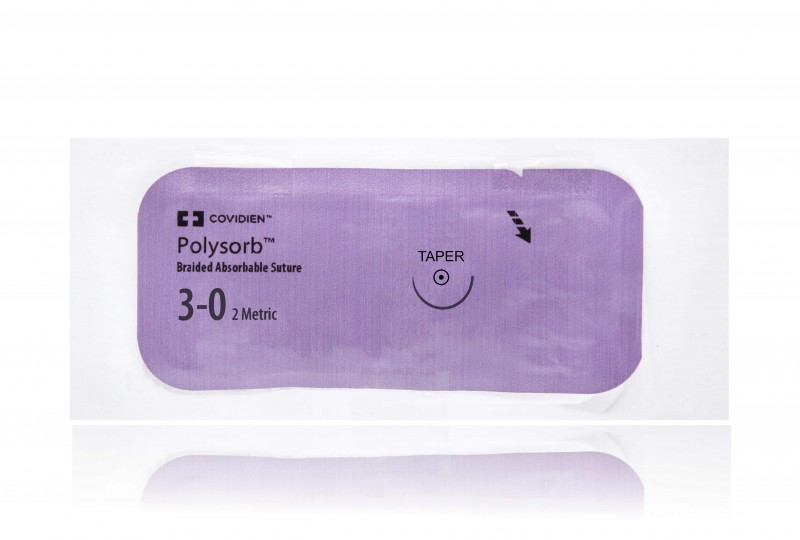
Medtronic Polysorb undyed 30" V-20 taper
$5.00 packets
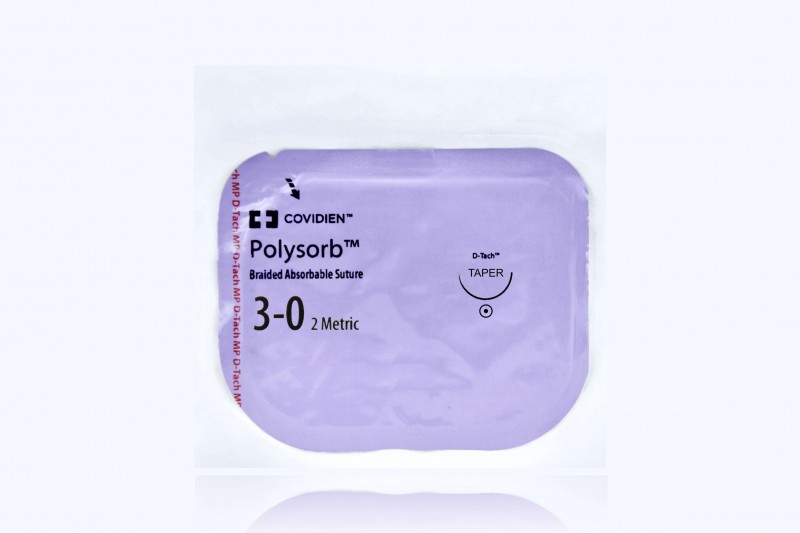
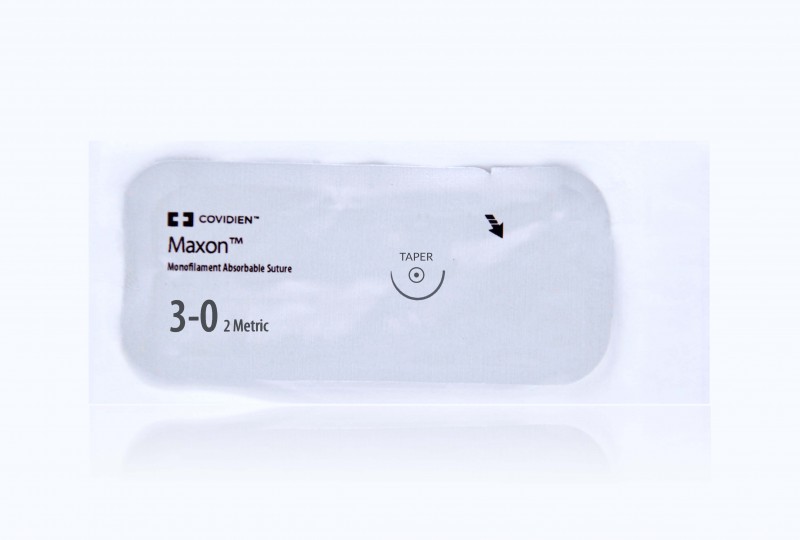
Medtronic Maxon green 30" CV-23 taper
$1.00 packets
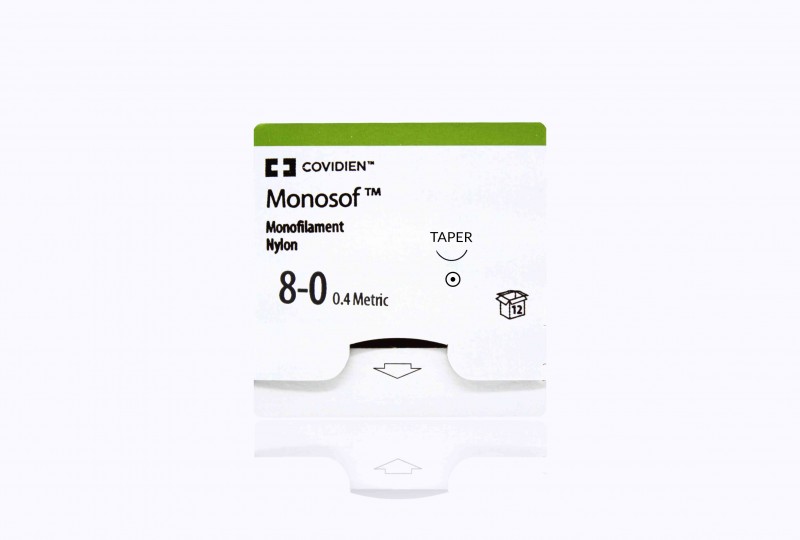
Medtronic Monosof black 5" MV-135-3 taper
$70.75 box of 12

Medtronic Novafil blue 60" GS-26 taper, looped to 30"
$1.00 packets
Description
Abbott SJM St. Jude Medical Pacel Bipolar Pacing Catheter
Product Code: 401761
- Pacing Catheter
- Syringe
- Pin Adapters
- Flow Directed
- French Size: 5F
- Electrode Spacing: 1cm
- Usable Length: 110cm
- Recommended Introducer Size: 6F
- Use with 6F SJM Peel-Away Introducer
Features
- Designed to provide quick, reliable temporary pacing in emergency situation with or without the use of fluoroscopy
- Flexible design for delicate placement of catheter
- Rapid inflation and deflation of balloon
- 10 cm depth markers to enhance placement
- Smooth, hemocompatible polyurethane surface
- Clearly marked terminals
- Shrouded 2 mm pin connector leads
Additional information
| Size | 5.0F |
|---|---|
| Arms | N/A |
| Manufacturer | |
| Unit | box of 1 |
- FDA Product Code: LDF
- FDA Product Code Name: ELECTRODE, PACEMAKER, TEMPORARY
- GMDN Term Code: 35854
- GMDN Term Name: Temporary cardiac pacing balloon catheter
- GMDN Term Description: A sterile, flexible, balloon-tipped, tube designed to deliver temporary pacing stimuli to the heart; it may detect bioelectric signals from the heart. It is used in the atria and/or ventricles and has electrodes which are usually applied to the ventricles and connect to an external pacemaker that generates the electrical pacing impulses. It may be unipolar or bipolar and facilitate the display of electrocardiographic signals. It is used: 1) in an emergency during bradycardia or asystole until a pacemaker can be implanted to control the heart rate; 2) during and/or after surgery; or 3) during cardiac catheterization [e.g., electrophysiological (EP) examinations]. This is a single-use device.