
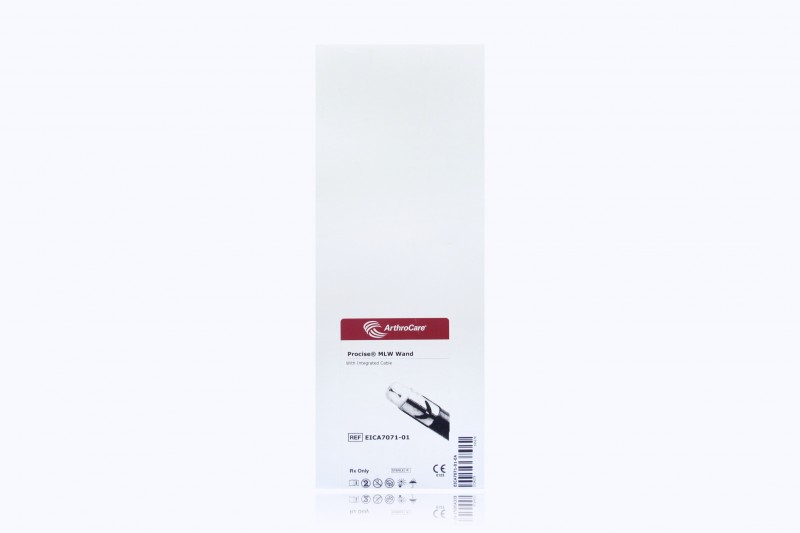
EICA7071-01
Smith & Nephew Procise MLW Wand w/Integrated Cable
$29.00
box of 1
In Stock: 42 Eaches
Expiration:
Expired
Express: Need it tomorrow? Order in next 2 hours 8 minutes and choose overnight shipping at checkout.
The item listed above is expired and may be used for educational, training, and non-clinical research purposes only. Any product information appearing below, including the product indication statement, pertains to an in-date item only.
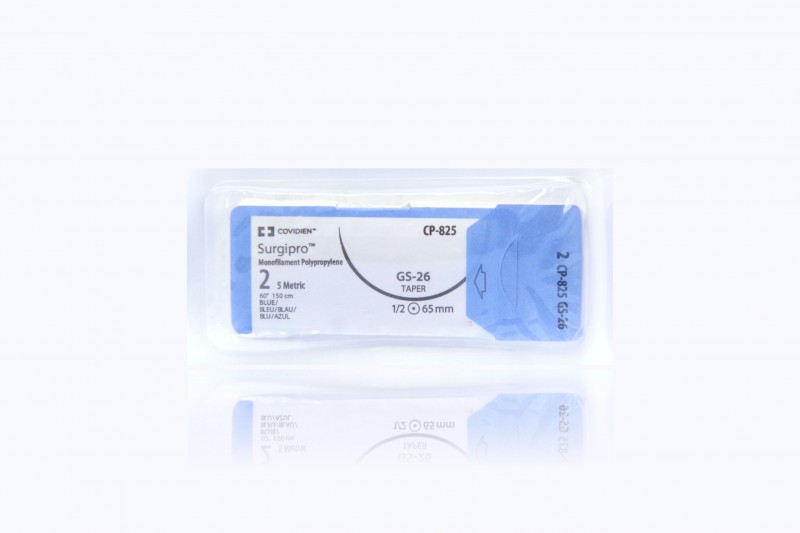
Medtronic Surgipro blue 60" GS-26 taper
$1.00 packets
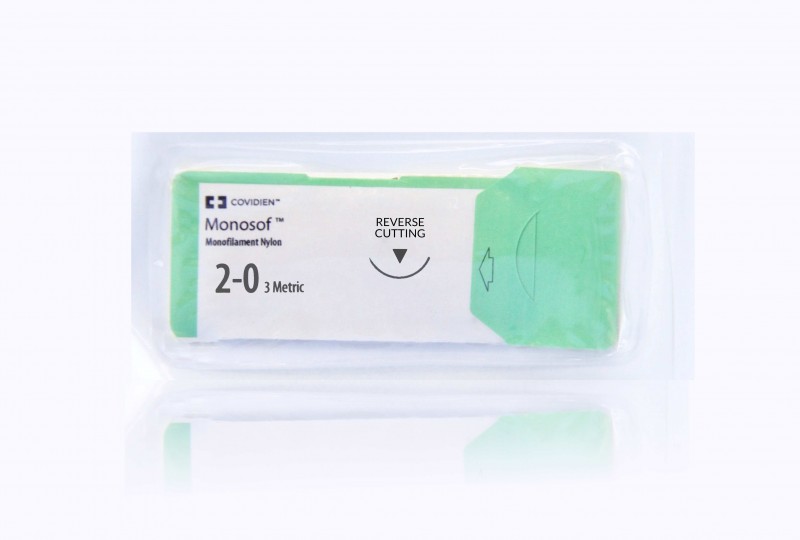
Medtronic Monosof black 18" C-15 cutting
$4.00 packets
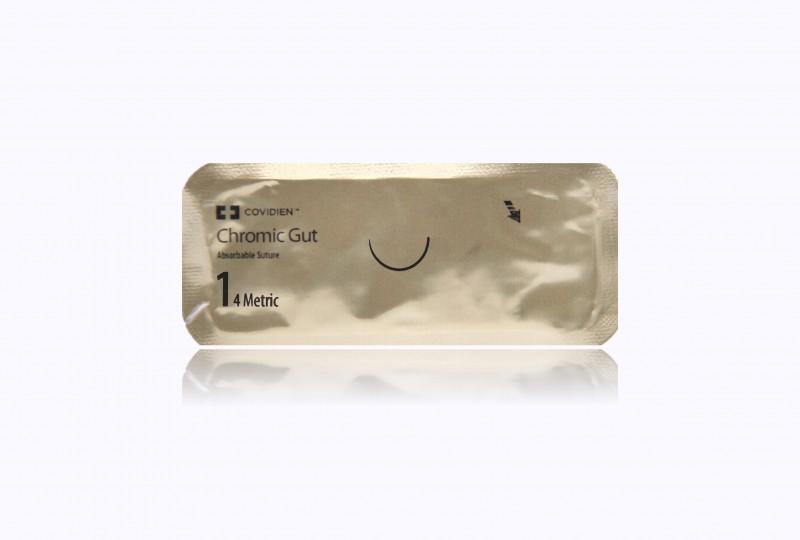
Medtronic Chromic Gut 36" GS-25 (CTX) Taper
$5.25 packets
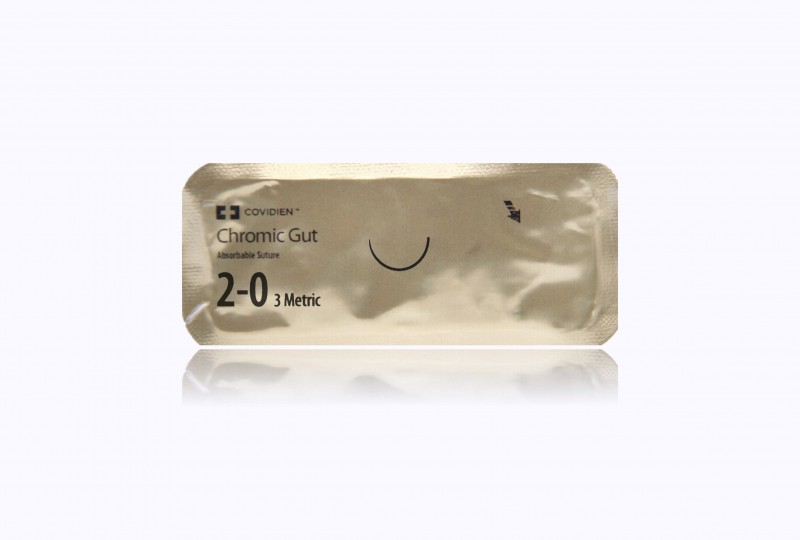
Medtronic Chromic Gut 30" GS-22 taper
$1.00 packets
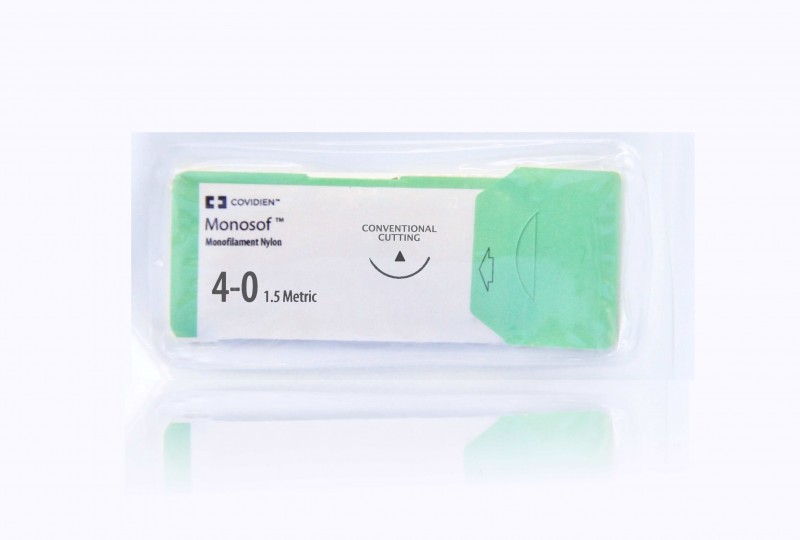
Medtronic Monosof black 18" PC-12 Conventional Cutting
$1.00 packets
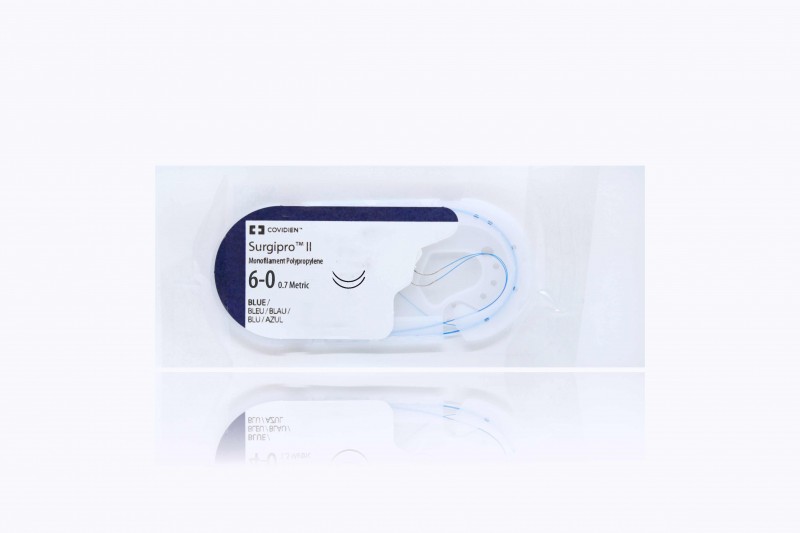
Medtronic Surgipro blue 30" CV taper, double armed
$10.00 packets
Description
Smith & Nephew Procise Mini Laryngeal Wand
The PROCISE MLW plasma wand is designed for precise, controlled removal of laryngeal lesions. Its ultra-slim Wand shaft provides access to the trachea and makes it well-suited for operating on small anatomy.
Product Code: EICA7070-01
COBLATION technology can be used for removing or debulking a variety of polyps, lesions, and tumors in the larynx and trachea. In addition, recent studies about airway fires suggest, under normal operating circumstances, using COBLATION technology in place of traditional electrosurgical or laser devices significantly reduces the risk of igniting an airway fire.
Features of the PROCISE MLW Wand:
- Single-wire electrode to provide “pinpoint” precision for lesion removal near delicate patient anatomy in laryngeal and tracheal procedures
- Extended length and ultra-slim Wand shaft for improved access to subglottic anatomy (19cm working length) and increased visualization of surgical field
Additional information
| Size | 1 |
|---|---|
| Arms | N/A |
| Manufacturer | |
| Unit | box of 1 |
- FDA Product Code: GEI
- FDA Product Code Name: Electrosurgical, Cutting & Coagulation & Accessories
- GMDN Term Code: 57944
- GMDN Term Name: Endoscopic electrosurgical handpiece/electrode, bipolar, single-use
- GMDN Term Description: A sterile electrosurgical device which consists of a handpiece with mechanical and/or electrical controls, and a bipolar electrode intended to deliver electrosurgical current from a system generator directly to tissues for cutting/coagulation/ablation during endoscopic (including laparoscopic, arthroscopic) surgery, and may in addition be intended for open surgery; it is not intended for focal percutaneous ablation. It includes a long thin electrode connected to the handpiece, and may include a lumen for suction/irrigation; it is available in a variety of forms (e.g., forceps, rigid probe with controls). This is a single-use device.