
518-066
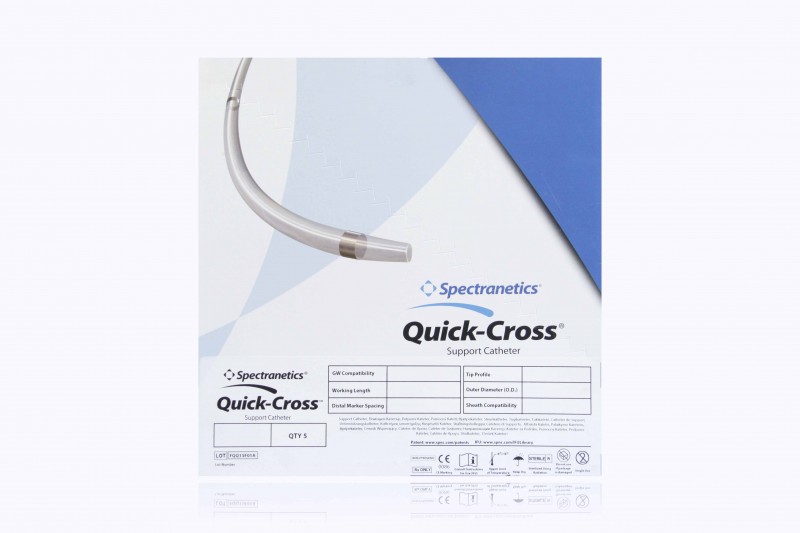
Spectranetics Quick-Cross Support Catheter: 0.035″ x 65cm
$30.00
box of 5
Out of stock
Expiration:
Expired
Express: Need it tomorrow? Order in next 2 hours 8 minutes and choose overnight shipping at checkout.
We currently do not have this item in stock, but we can email you as soon as it is available!
The item listed above is expired and may be used for educational, training, and non-clinical research purposes only. Any product information appearing below, including the product indication statement, pertains to an in-date item only.
Medtronic Chromic Gut 30" V-20 taper
$36.00 box of 36
Medtronic Chromic Gut 30" GS-22 taper
$1.00 packets
Medtronic Polysorb undyed 60" strand (ligating reel) (no needle)
$99.00 box of 24
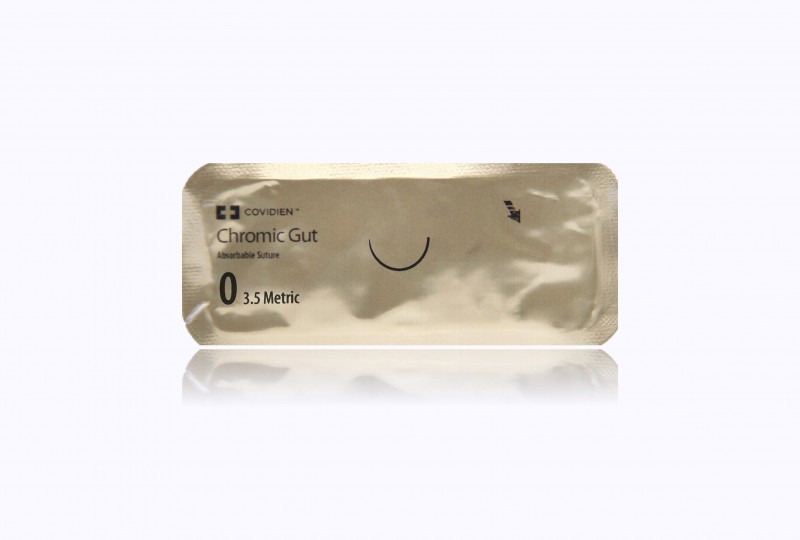
Medtronic Chromic Gut 36" GS-21 taper
$4.00 packets
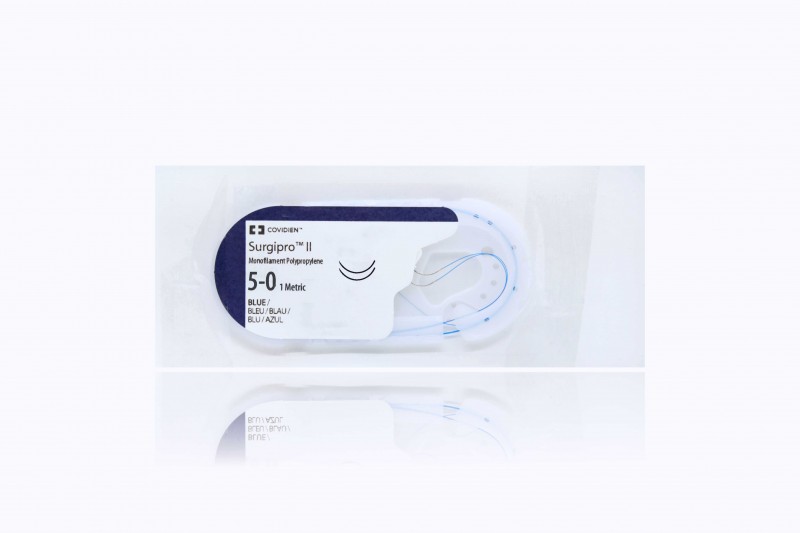
Medtronic Surgipro blue 36" CV-11 taper, double armed
$25.00 packets
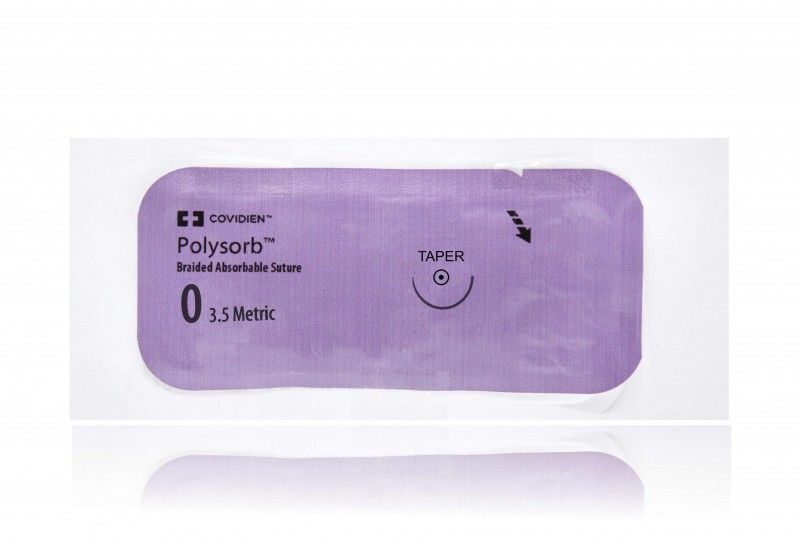
Medtronic Polysorb undyed 30" GS-21 taper
$4.00 packets

Chromic Gut 18" P-24 cutting
$143.00 box of 12
Description
Philips Quick-Cross Support Catheter
Philips Spectranetics Quick-Cross Support Catheters were the first support catheters designed around the wire to receive FDA clearance. Since approval in 2004, the market-leading Quick-Cross product line has helped thousands of physicians cross tortuous anatomy, allowed for exchange of guidewires, and provided a conduit for delivery of saline and diagnostic contrast agents.
Product Code: 518-066
- Distal Tip Profile: 3.1F / 0.041"
- Distal Shaft OD: 0.050"
- Working Length: 65cm
- Guidewire Compatibility: 0.035"
- Guide Compatibility: 6F
- Sheath Compatibility: 5F
- Proximal Shaft Diameter: 0.063"
- Radiopaque Marker Spacing: 50mm
Additional information
| Size | 0.035" |
|---|---|
| Arms | N/A |
| Manufacturer | |
| Unit | box of 5 |
- FDA Product Code: DQY
- FDA Product Code Name: Catheter, Percutaneous
- GMDN Term Code: 17846
- GMDN Term Name: Vascular guide-catheter, single-use
- GMDN Term Description: A flexible tube intended to be used for the percutaneous transluminal passage and placement of a diagnostic/interventional catheter, lead (e.g., pacing lead, balloon dilatation catheter), needle or guidewire through its lumen(s), within the vascular system. It may be rigid or flexible, non-steerable or steerable, single or multiple lumen(s), and the distal section can have a variety of preformed shapes (e.g., straight, hockey stick). It is not intended solely for infusion, is not intended to access superselective small vessels, and does not include a transseptal needle. It may include a disposable percutaneous introduction set or shaft visualization electrodes. This is a single-use device.